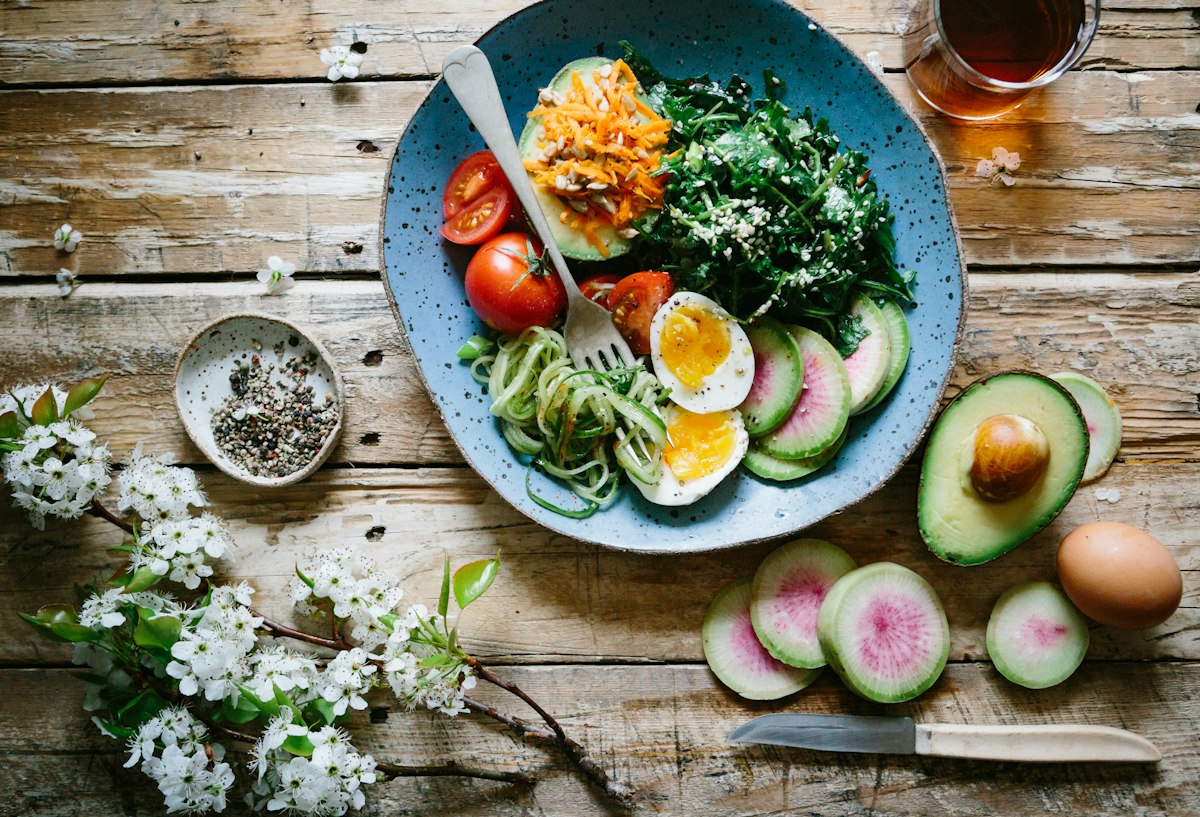
Your heart has been beating faithfully for decades, and now it deserves the very best fuel you can give it. The good news? Heart-healthy cooking doesn't mean sacrificing flavor or spending hours in the kitchen. Whether you're managing blood pressure, cholesterol, or simply want to feel your energetic best, these simple recipes prove that nutritious meals can be both delicious and effortless to prepare.
Why Heart Health Matters More After 50
According to the American Heart Association, cardiovascular disease affects nearly half of all adults over 45. But here's the empowering truth: the foods you choose daily can significantly impact your heart health, energy levels, and overall well-being. Small, consistent changes in your kitchen can lead to remarkable improvements in how you feel.
Heart-healthy eating isn't about deprivation—it's about abundance. Think colorful vegetables, lean proteins, whole grains, and healthy fats that work together to support your cardiovascular system while satisfying your taste buds.
Essential Ingredients for Your Heart-Healthy Kitchen
Stocking your kitchen with the right ingredients makes heart-healthy cooking effortless. Focus on omega-3 rich fish like salmon and sardines, which reduce inflammation and support heart rhythm. Keep olive oil, avocados, and nuts on hand for healthy fats that help lower bad cholesterol.
Whole grains such as oats, quinoa, and brown rice provide fiber that helps regulate blood pressure and cholesterol levels. Don't forget the power of herbs and spices—garlic, turmeric, and cinnamon not only add incredible flavor but also offer heart-protective compounds.
Quick 15-Minute Heart-Healthy Meals
Mediterranean Salmon with Lemon and Herbs takes just 12 minutes from start to finish. Simply season a salmon fillet with olive oil, lemon juice, dried oregano, and minced garlic. Bake at 400°F for 10-12 minutes while you steam some broccoli. The omega-3s in salmon support heart health, while the herbs provide antioxidants without added sodium.
For a plant-based option, try a Black Bean and Avocado Bowl. Warm canned black beans with cumin and lime juice, serve over quinoa, and top with diced avocado, cherry tomatoes, and a sprinkle of pumpkin seeds. This protein-rich meal provides fiber, healthy fats, and potassium—all heart-healthy superstars.
One-Pot Wonders That Save Time and Dishes
Tuscan White Bean Soup combines heart-healthy ingredients in one satisfying pot. Sauté diced onions, carrots, and celery in olive oil, add low-sodium vegetable broth, canned white beans, diced tomatoes, and fresh spinach. Season with Italian herbs and simmer for 15 minutes. This fiber-rich soup helps lower cholesterol and provides plant-based protein.
Chicken and Vegetable Skillet offers complete nutrition in one pan. Brown skinless chicken thighs with herbs, add chopped bell peppers, zucchini, and cherry tomatoes. Cover and cook until vegetables are tender. The lean protein supports muscle health while the colorful vegetables provide antioxidants and potassium.
Video: Hydration Tips for Older Adults — Mayo Clinic
Make-Ahead Options for Busy Weeks
Overnight Steel-Cut Oats require just five minutes of prep time. Combine steel-cut oats with unsweetened almond milk, chia seeds, cinnamon, and diced apples in a slow cooker. Cook on low for 8 hours, and you'll wake up to a heart-healthy breakfast rich in soluble fiber that helps lower cholesterol.
Prepare Mason Jar Salads on Sunday for grab-and-go lunches all week. Layer olive oil vinaigrette at the bottom, add chickpeas or grilled chicken, then colorful vegetables like bell peppers, cucumbers, and carrots. Top with leafy greens and store in the refrigerator for up to five days.
Smart Swaps That Make a Difference
Small ingredient substitutions can dramatically improve the heart-health profile of your favorite recipes. Replace butter with mashed avocado in baking recipes—you'll add healthy monounsaturated fats and fiber while reducing saturated fat. Use Greek yogurt instead of sour cream for extra protein and probiotics.
Choose whole grain pasta over regular pasta to increase fiber intake, which helps regulate blood sugar and supports heart health. When recipes call for salt, experiment with herbs, spices, and citrus juice instead. Your taste buds will adapt, and your blood pressure will thank you.
Tracking Your Success
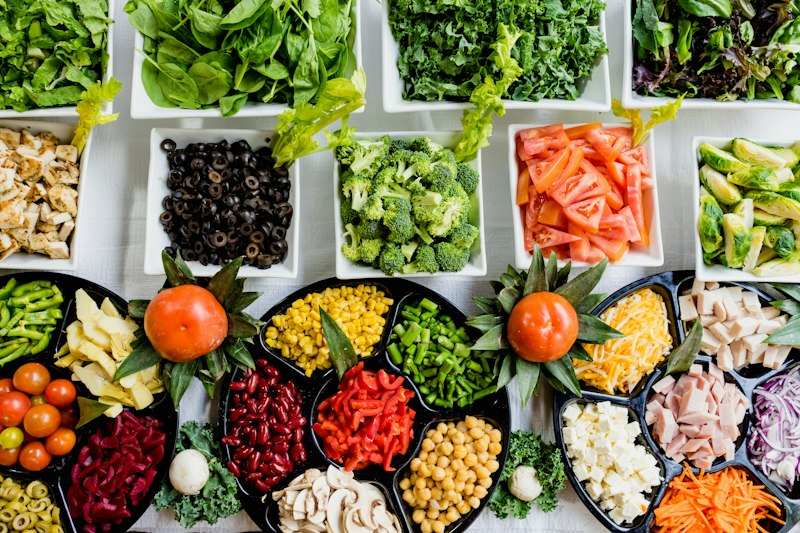
Keeping track of your heart-healthy meals helps you stay consistent and motivated. Many SteadiDay users find that logging their nutritious meals alongside their daily activities helps them see the connection between good nutrition and increased energy levels. The app's food logging feature makes it simple to track your progress without complicated calorie counting.
Consider how staying active in the kitchen—and maintaining your independence through good nutrition—supports your overall wellness goals. When you're cooking regularly and eating well, you're more likely to stay energetic and mobile. SteadiDay's fall detection feature provides additional peace of mind as you continue enjoying your active lifestyle, including time spent preparing nourishing meals.
Your Heart-Healthy Journey Starts Today
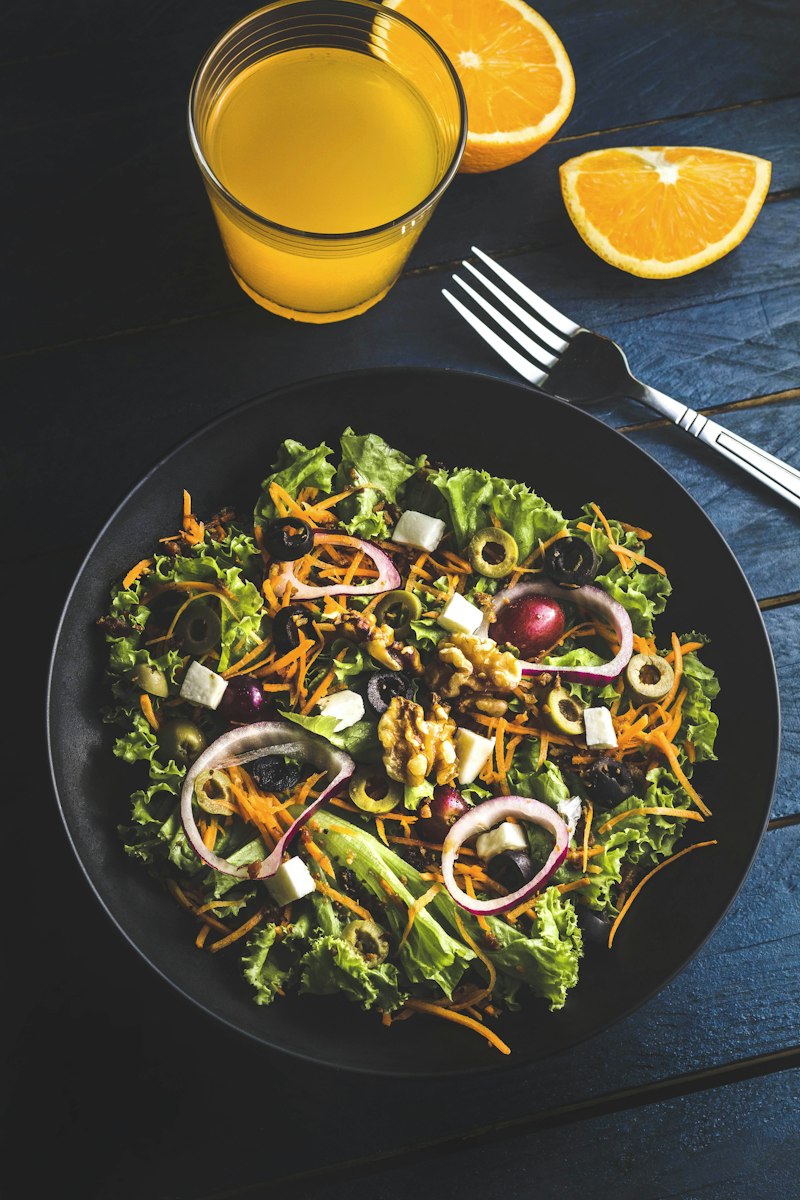
Remember, every heart-healthy meal is an investment in your future self. Start with one or two recipes that appeal to you, and gradually expand your repertoire. The goal isn't perfection—it's progress and enjoyment.
Your experience in the kitchen is valuable, and these recipes are simply new tools to add to your wellness toolkit. With each nutritious meal you prepare, you're taking an active role in supporting your heart health, maintaining your energy, and continuing to live the vibrant, independent life you've worked so hard to build. Your heart—and your taste buds—will thank you for every delicious, nourishing bite.
Ready to Take Control of Your Daily Wellness?
SteadiDay helps you manage medications, track your health, and stay connected with loved ones—all designed for adults 50+.
Join the Waitlist