If you're over 50 and dealing with joint pain, you're certainly not alone. Whether it's that familiar morning stiffness or the ache that settles in after a busy day, joint discomfort can really impact how we feel and what we're able to do. While there's no magic cure, there's growing evidence that what we eat can make a real difference in how our joints feel. The good news? Many of the most powerful anti-inflammatory foods are probably already in your kitchen, and incorporating them into your daily routine can be both delicious and surprisingly simple.
Understanding Inflammation and Your Joints
Before we dive into the foods that can help, it's worth understanding what's happening in our bodies. Inflammation is actually a natural process – it's how our immune system responds to injury or irritation. But sometimes, this response becomes chronic, contributing to the joint pain and stiffness many of us experience as we age.
Chronic inflammation can affect the cartilage in our joints, leading to increased pain and reduced mobility. According to the Arthritis Foundation, more than 58.5 million adults in the United States have arthritis, with the majority being over 65. This makes managing inflammation through diet not just helpful, but potentially life-changing for millions of us.
The beautiful thing about anti-inflammatory eating is that it's not about restriction – it's about abundance. We're adding healing foods to our plates, creating meals that nourish our bodies and may help ease that persistent joint discomfort.
Omega-3 Rich Fish: Your Joints' Best Friend
If there's one food group that deserves a starring role in your anti-inflammatory eating plan, it's fatty fish. Salmon, mackerel, sardines, and tuna are packed with omega-3 fatty acids, which have been shown to reduce inflammatory markers in the body.
The American Heart Association recommends eating fish at least twice a week, and for those of us dealing with joint pain, this advice is particularly valuable. The omega-3s in fish work by reducing the production of inflammatory compounds and cytokines – the substances that can contribute to joint pain and swelling.
Don't worry if you're not a fish enthusiast – there are plenty of ways to make it appealing. Try baking salmon with herbs and lemon, adding canned sardines to a pasta sauce, or making a simple tuna salad with avocado instead of mayo. Even small portions can make a difference, so start where you're comfortable.

Colorful Fruits and Vegetables: Nature's Anti-Inflammatories
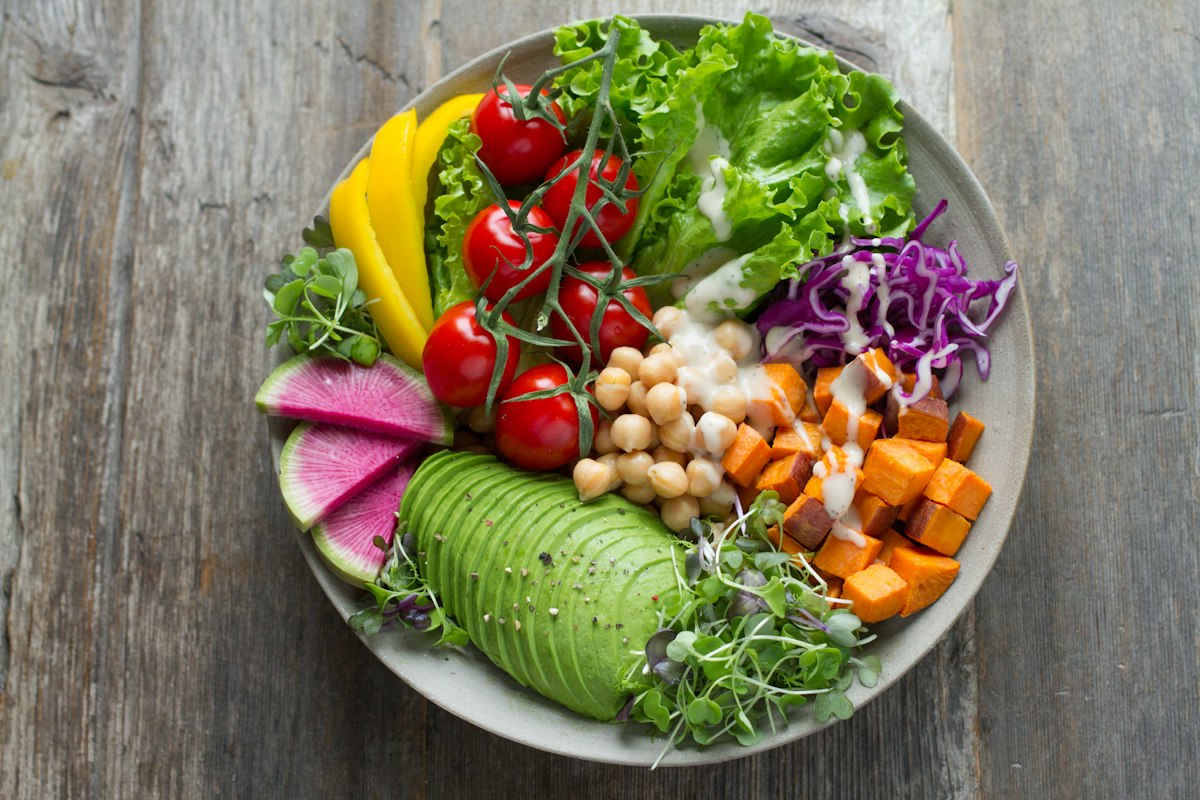
Here's where eating for joint health gets really enjoyable – loading up on colorful fruits and vegetables. The vibrant colors in produce come from compounds called antioxidants and phytochemicals, many of which have powerful anti-inflammatory properties.
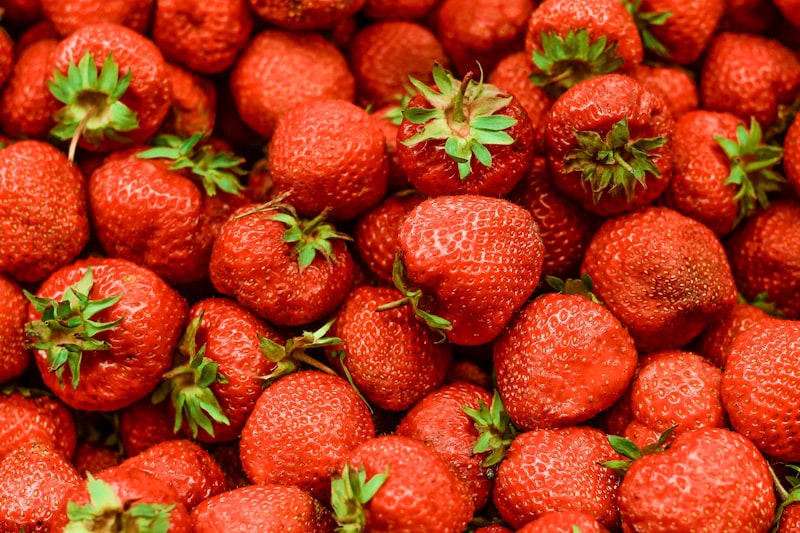
Berries are particularly impressive in this regard. Blueberries, strawberries, and cherries contain anthocyanins, compounds that give them their deep colors and help fight inflammation. Tart cherry juice has gained attention specifically for joint health – some studies suggest it may help reduce markers of inflammation and improve sleep quality.
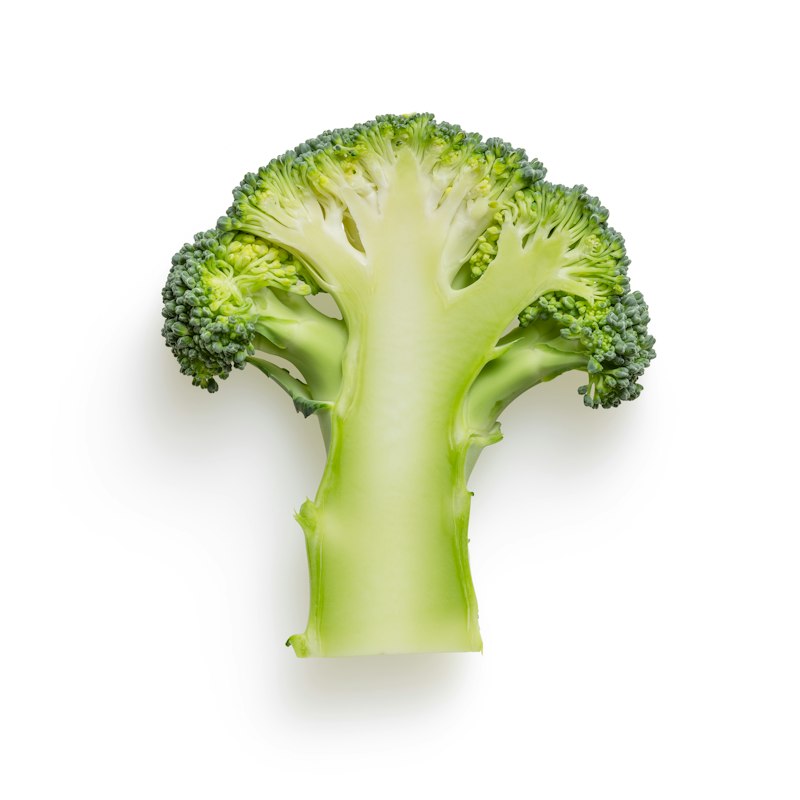
Dark leafy greens like spinach, kale, and Swiss chard are rich in vitamins A, C, and K, all of which support joint health. Broccoli contains a compound called sulforaphane, which researchers believe may help slow cartilage damage. And don't forget about colorful bell peppers, which pack more vitamin C than oranges and add crunch and sweetness to any meal.
The key is variety – aim for different colors throughout the week. A simple way to ensure you're getting a good mix is to make your plate as colorful as possible at each meal.
Spices and Herbs: Small Additions, Big Impact
Some of the most powerful anti-inflammatory compounds come in very small packages. Turmeric, the golden spice that gives curry its color, contains curcumin – a compound that has been extensively studied for its anti-inflammatory properties. Research suggests that curcumin may be as effective as some anti-inflammatory medications for reducing joint pain and swelling.
Ginger is another superstar spice. It contains compounds called gingerols, which have been shown to reduce inflammation and may help with both joint pain and nausea. Fresh ginger can be added to smoothies, tea, or stir-fries, while ground ginger works well in baking and cooking.
Other inflammation-fighting spices include cinnamon, which may help reduce inflammatory markers, and garlic, which contains sulfur compounds that may help reduce inflammation. The beauty of cooking with spices is that they add flavor without calories, sodium, or sugar – making healthy eating more enjoyable.
Speaking of managing your health routine, if you're taking any medications for joint pain or other conditions, keeping track of when to take them can be just as important as what you eat. SteadiDay's free medication reminder feature can help you stay on top of your medication schedule, ensuring you're getting the full benefit of any prescribed treatments alongside your anti-inflammatory diet.
Healthy Fats: The Good Kind of Fat for Your Joints
Not all fats are created equal, and when it comes to joint health, choosing the right kinds can make a significant difference. Extra virgin olive oil is rich in a compound called oleocanthal, which has similar anti-inflammatory properties to ibuprofen, though in much smaller amounts.
Avocados are another excellent source of healthy monounsaturated fats, plus they contain omega-3 fatty acids and antioxidants. They're incredibly versatile – add them to salads, spread them on whole grain toast, or blend them into smoothies for extra creaminess.
Nuts and seeds deserve a special mention here. Walnuts are particularly high in omega-3s, while almonds provide vitamin E, which may help protect joint cartilage. Flaxseeds and chia seeds are plant-based sources of omega-3s that can easily be added to yogurt, oatmeal, or smoothies.
The Mediterranean diet, which emphasizes these healthy fats along with fish, fruits, and vegetables, has been associated with reduced inflammation and may help with joint pain management.
Video: Anti-Inflammatory Foods — Dr. Eric Berg DC
Whole Grains and Fiber: Supporting Overall Health
While the spotlight often falls on more exotic anti-inflammatory foods, don't overlook the humble whole grain. Foods like oats, quinoa, brown rice, and whole wheat bread provide fiber, which plays an important role in reducing inflammation.
Fiber helps promote the growth of beneficial bacteria in our gut, and these good bacteria produce compounds that help regulate our immune system and reduce inflammation throughout the body. Research is increasingly showing the connection between gut health and overall inflammation levels.
Oats deserve special recognition – they contain a type of fiber called beta-glucan, which has been shown to reduce inflammatory markers. Starting your day with a bowl of oatmeal topped with berries and nuts gives you a powerful anti-inflammatory breakfast that will keep you satisfied for hours.
When choosing grains, look for the word "whole" as the first ingredient. These foods provide more nutrients and fiber than their refined counterparts, and they're gentler on blood sugar levels too.
Putting It All Together: Practical Tips for Daily Life
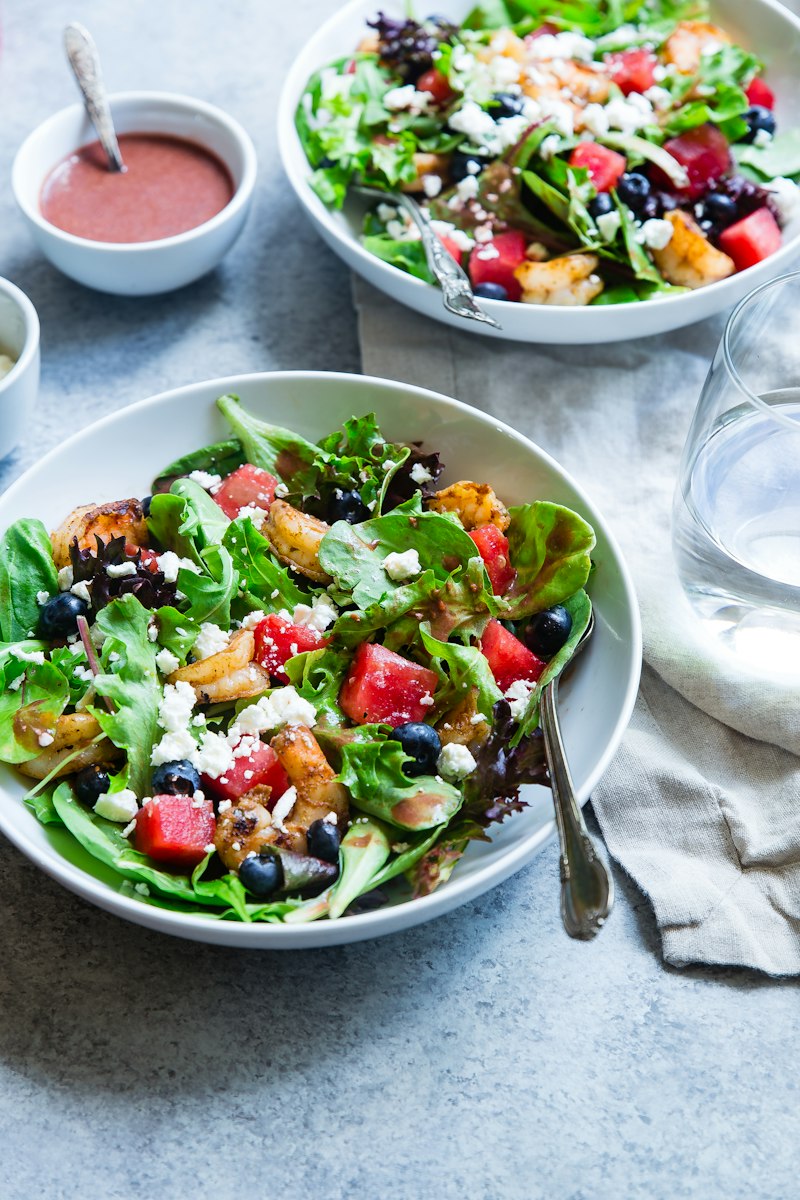
The idea of changing your diet can feel overwhelming, but remember – small, consistent changes often lead to the biggest improvements. Start by adding one or two anti-inflammatory foods to meals you're already eating. Sprinkle some berries on your morning cereal, add spinach to your afternoon sandwich, or include a small portion of salmon in your weekly meal rotation.
Meal planning can be incredibly helpful. Try dedicating some time each week to planning meals that include anti-inflammatory foods. Cook larger portions so you have healthy leftovers for busy days. Prep vegetables when you bring them home from the store so they're easy to grab for snacks or quick meals.
Remember that consistency matters more than perfection. You don't need to overhaul your entire diet overnight. Focus on adding more of the good stuff rather than restricting everything you enjoy. Many people find that as they eat more anti-inflammatory foods, they naturally start craving them more.
It's also important to stay hydrated and limit foods that may promote inflammation, such as highly processed foods, excessive sugar, and trans fats. But again, this is about balance and making choices that feel sustainable for your lifestyle.
Finally, be patient with yourself and the process. While some people notice improvements in joint comfort within a few weeks of eating more anti-inflammatory foods, for others it may take longer. The benefits extend beyond just joint health – many of these foods support heart health, brain function, and overall vitality as we age.
Your joints have carried you through decades of life, and they deserve all the support you can give them. By choosing foods that fight inflammation, you're not just potentially reducing pain – you're investing in your long-term mobility, independence, and quality of life.
Ready to Take Control of Your Daily Wellness?
SteadiDay helps you manage medications, track your health, and stay connected with loved ones. Every feature is completely free.
Download Free on the App Store