
Your smile tells the story of your life – and after 50, it deserves extra attention and care. While you may have heard that tooth loss is inevitable with age, that's simply not true. With the right knowledge and habits, you can maintain healthy teeth and gums well into your golden years. Let's explore how your dental needs change after 50 and what you can do to keep your smile bright and healthy.
Understanding How Your Mouth Changes After 50
As we age, our mouths go through several natural changes that require adjusted care. Your saliva production may decrease, creating a condition called xerostomia or dry mouth. This isn't just uncomfortable – saliva plays a crucial role in neutralizing acids and washing away food particles and bacteria.
Your gums may also start to recede, exposing more of your tooth roots. This makes your teeth more sensitive and vulnerable to decay. Additionally, years of wear and tear can cause enamel to thin, making teeth appear more yellow and increasing sensitivity to hot and cold foods.
The good news? Understanding these changes means you can adapt your dental care routine to address them effectively. It's not about accepting decline – it's about evolving your approach to maintain optimal oral health.
The Hidden Connection: Oral Health and Overall Wellness
Your mouth is the gateway to your body, and research continues to reveal surprising connections between oral health and overall wellness. Poor dental health has been linked to heart disease, diabetes complications, respiratory infections, and even cognitive decline.
According to the Centers for Disease Control and Prevention, about 68% of adults aged 65 and older have gum disease. This isn't just a statistic – it represents millions of people who may be unknowingly putting their overall health at risk through inadequate oral care.
The inflammation caused by gum disease can trigger inflammatory responses throughout your body. This is why maintaining healthy gums isn't just about saving your teeth – it's about protecting your entire well-being.
Modern Solutions for Age-Related Dental Challenges
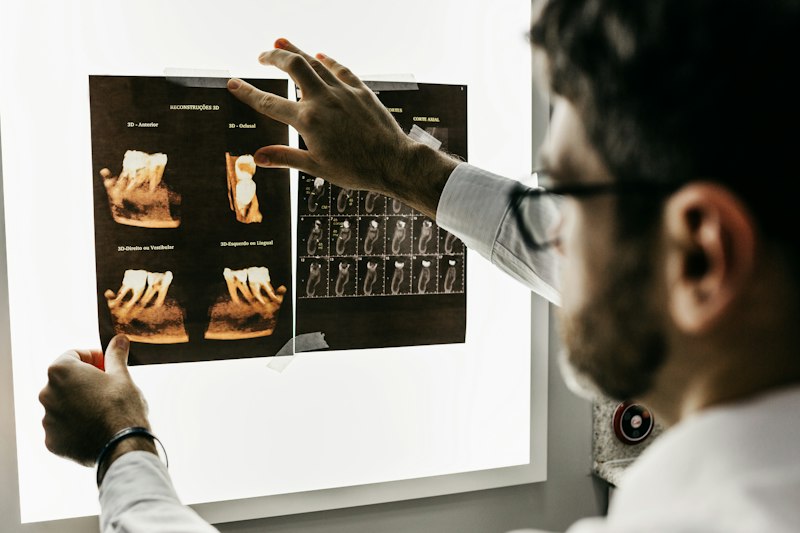
Today's dental technology offers incredible solutions for age-related oral health challenges. If you're dealing with dry mouth, your dentist might recommend prescription mouth rinses or saliva substitutes. For sensitive teeth, there are now desensitizing treatments that can be applied in-office for immediate relief.
Dental implants have revolutionized tooth replacement, offering a permanent solution that looks and feels like natural teeth. Unlike dentures, implants stimulate your jawbone, preventing the bone loss that can change your facial structure over time.
For those dealing with gum recession, minimally invasive procedures like pinhole surgical technique can restore your gumline without the extensive surgery required in the past. These advances mean that many dental problems that once seemed permanent now have effective solutions.
Creating Your Personalized Daily Dental Routine
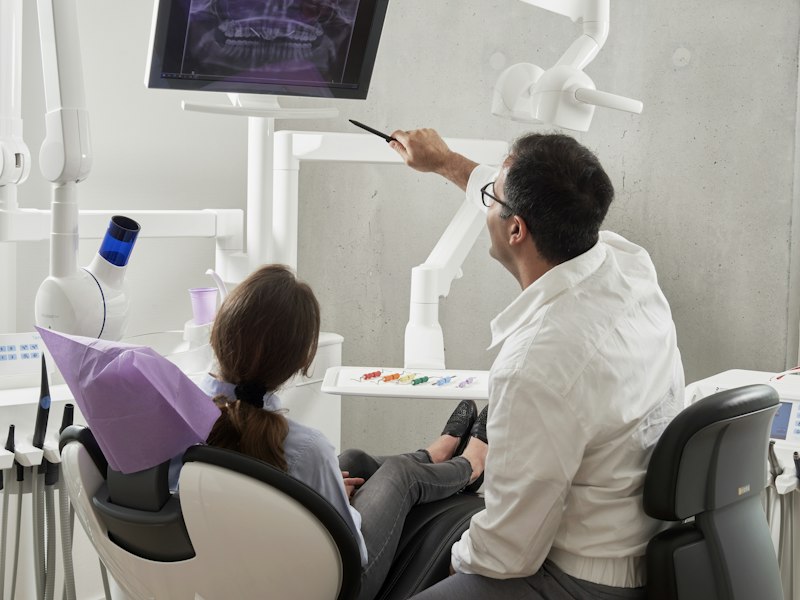
Your dental routine after 50 should be more targeted than it was in your younger years. Start with a soft-bristled toothbrush or electric toothbrush, which can be more effective at removing plaque while being gentler on receding gums.
Choose a fluoride toothpaste, but consider one specifically designed for sensitive teeth if you're experiencing discomfort. Brush for two full minutes – you can use your smartphone timer or even set a reminder using apps like SteadiDay, which helps you track daily habits and includes helpful features like Find My Car to make dental appointments stress-free (all features are completely free).
Don't skip flossing, even if your dexterity isn't what it used to be. Water flossers or floss picks can make this crucial step easier. Follow up with an antimicrobial mouthwash to reach areas your toothbrush and floss might miss.
Video: Steps to Maintain Gum Health -- Cleveland Clinic

Nutrition Strategies for Strong Teeth and Gums
What you eat directly impacts your oral health. Calcium and vitamin D remain crucial for maintaining strong teeth, but after 50, your body may not absorb these nutrients as efficiently as before. Consider incorporating dairy products, leafy greens, and fortified foods into your diet.
Vitamin C is essential for gum health. Citrus fruits, berries, and bell peppers are excellent sources. However, if you're eating acidic fruits, wait at least 30 minutes before brushing to avoid damaging softened enamel.
Stay hydrated to combat dry mouth, but be mindful of what you're drinking. Limit sugary and acidic beverages, and if you do indulge, use a straw to minimize contact with your teeth. Green tea contains compounds that can help fight bacteria in your mouth, making it an excellent choice for oral health.
Navigating Dental Care and Treatment Decisions
Regular dental visits become even more important after 50. Most dentists recommend cleanings every six months, but you might need more frequent visits if you have gum disease or other oral health issues. Don't let cost concerns prevent you from seeking care – many dental offices offer payment plans, and some procedures may be covered by Medicare Advantage plans.
When facing treatment decisions, don't hesitate to ask questions or seek a second opinion for major procedures. Understand the long-term implications of different treatment options. For example, while a root canal might cost more initially than an extraction, preserving your natural tooth is usually worth the investment.
If you wear dentures, ensure they fit properly and are cleaned daily. Ill-fitting dentures can cause sores, make eating difficult, and even affect your speech and confidence.
Building Habits That Last a Lifetime
Consistency is key to maintaining oral health after 50. Create systems that make good dental care automatic. Keep your toothbrush and floss visible in your bathroom. If you travel frequently, pack a dental care kit so you never skip your routine.
Pay attention to changes in your mouth and don't ignore warning signs like persistent bad breath, bleeding gums, loose teeth, or mouth sores that don't heal. Early intervention can prevent minor issues from becoming major problems.
Remember, investing in your oral health is investing in your quality of life. A healthy mouth allows you to eat the foods you love, speak clearly, and smile with confidence. These aren't luxuries – they're essentials for living fully at any age.
Your smile has served you well for five decades or more. With the right care and attention, it can continue to be one of your greatest assets for decades to come. Take action today to protect not just your teeth and gums, but your overall health and happiness.
Ready to Take Control of Your Daily Wellness?
SteadiDay helps you manage medications, track your health, and stay connected with loved ones. Every feature is completely free.
Download Free on the App Store