What if I told you that a simple vitamin you can get from sunlight and supplements could be one of your most powerful weapons against brain aging? A groundbreaking 16-year study has revealed something remarkable: the vitamin D decisions you make in your 40s and 50s could be protecting your brain decades into the future. This isn't just another health trend—it's solid science that's changing how we think about midlife brain protection.
The Game-Changing Research That's Rewriting Brain Health
In April 2026, researchers from the University of Galway and the prestigious Framingham Heart Study published findings in Neurology that sent ripples through the medical community. Their 16-year investigation followed participants and made a crucial discovery: people with higher vitamin D levels in their 30s and 40s had significantly lower levels of tau protein in their brains years later.
Why does this matter? Tau protein buildup is like rust forming in your brain's machinery—it's one of the hallmark signs of Alzheimer's disease and other forms of dementia. What makes this study revolutionary is its timing focus. Unlike previous research that looked at vitamin D levels in older adults who might already be experiencing cognitive changes, this study captured the protective effects when vitamin D optimization happened during early midlife.
The implications are profound: your vitamin D status today, in your 40s, 50s, and beyond, isn't just about bone health—it's actively shaping your brain's resilience for the decades ahead.

Understanding Tau: The Brain Protein You Need to Know About
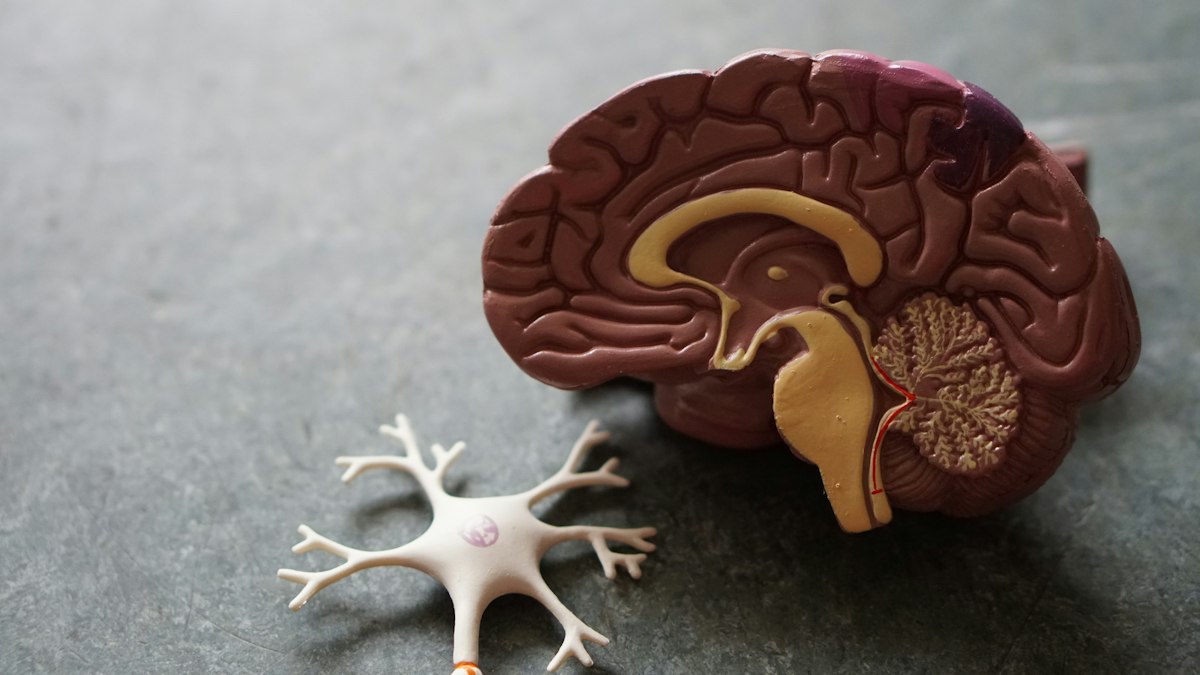
Think of tau proteins as the railroad tracks in your brain—when they're healthy, they help transport nutrients and information efficiently between brain cells. But when things go wrong, these proteins become tangled and twisted, disrupting the brain's communication highways.
According to the Alzheimer's Association, tau tangles are found in the brains of people with Alzheimer's disease and are strongly linked to cognitive decline and memory loss. The beauty of the new vitamin D research is that it suggests we might be able to prevent these tangles from forming in the first place, rather than trying to treat them after they've already developed.
What's particularly exciting is that this protective effect appears to be strongest when vitamin D levels are optimized during what researchers call the "critical window" of early midlife. Your brain is still highly adaptable during your 40s and 50s, making this the ideal time to implement protective strategies.

The Midlife Vitamin D Challenge: Why Levels Often Drop
Here's what many people don't realize: vitamin D deficiency becomes increasingly common as we age, and it's not just about spending less time in the sun. Several midlife factors conspire to lower your vitamin D levels just when your brain needs this protection most.
Your skin's ability to synthesize vitamin D from sunlight decreases by about 25% between your 20s and 60s. Add to this the reality that many adults spend more time indoors due to work responsibilities, caregiving duties, or simply changing lifestyle patterns. Geographic location plays a role too—if you live north of Atlanta, your skin can't make vitamin D from sun exposure during winter months, regardless of how much time you spend outside.
Digestive changes that often accompany midlife can also affect vitamin D absorption from food and supplements. This creates a perfect storm where your vitamin D levels may be declining precisely when your brain could benefit most from protection against future tau protein accumulation.
Getting Your Vitamin D Levels Tested: The Essential First Step
Before you can optimize your vitamin D for brain protection, you need to know where you stand. The gold standard test is called 25(OH)D, or 25-hydroxyvitamin D. This simple blood test can be ordered by your healthcare provider or obtained through many direct-to-consumer lab services.
Current research suggests that optimal vitamin D levels for brain health may be higher than the minimum levels needed for bone health. While 20 ng/mL (50 nmol/L) is considered sufficient for bone health, many experts now recommend maintaining levels between 30-50 ng/mL (75-125 nmol/L) for optimal overall health, including potential brain protection.
The timing of testing matters too. Vitamin D levels naturally fluctuate throughout the year, typically peaking in late summer and reaching their lowest point in late winter or early spring. For the most accurate picture of your year-round status, consider testing in late winter when levels are typically at their lowest.
Video: Morning Meditation -- Goodful
Smart Strategies for Optimizing Your Vitamin D Status
Once you know your current vitamin D level, you can develop a personalized optimization strategy. The approach that works best combines multiple sources: sensible sun exposure, strategic food choices, and targeted supplementation when needed.
For sun exposure, aim for 10-30 minutes of midday sunlight several times per week, depending on your skin sensitivity and geographic location. The key is getting enough exposure to stimulate vitamin D production without risking skin damage. People with darker skin may need longer exposure times, while those with very fair skin should start with shorter periods.
Dietary sources, while limited, can contribute to your overall status. Fatty fish like salmon, mackerel, and sardines are excellent sources, as are egg yolks from pasture-raised chickens. Many foods are now fortified with vitamin D, including milk, plant-based milk alternatives, and cereals. However, it's challenging to get optimal amounts from food alone, which is why supplementation often becomes necessary.
When choosing supplements, vitamin D3 (cholecalciferol) is generally preferred over vitamin D2 (ergocalciferol) because it's more effective at raising and maintaining blood levels. Taking vitamin D with a meal containing some fat can improve absorption, since it's a fat-soluble vitamin.

Supporting Your Brain Health Beyond Vitamin D
While vitamin D optimization is a powerful tool in your brain health toolkit, it works best as part of a comprehensive approach to cognitive wellness. Regular mental stimulation plays a crucial role in maintaining cognitive function—which is where tools like SteadiDay's Mind Breaks games can fit seamlessly into your daily routine. These brain-training activities, available free within the app, provide enjoyable ways to challenge your mind and support cognitive flexibility.
Quality sleep is another critical factor, as it's during sleep that your brain clears out waste products, including potentially harmful proteins like tau. Aim for 7-9 hours of consistent, quality sleep each night. Regular physical activity, particularly aerobic exercise, has been shown to support brain health and may work synergistically with adequate vitamin D levels.
Social engagement and stress management are equally important. Chronic stress can accelerate brain aging, while strong social connections appear to offer protective benefits. Consider activities that combine social interaction with mental stimulation, like book clubs, game groups, or community volunteer work.
Taking Action: Your Brain Protection Plan Starts Today
The most empowering aspect of this new research is that it puts control back in your hands. Unlike genetic factors that increase dementia risk, vitamin D status is something you can actively monitor and optimize. The key is starting now, while your brain is still in that critical window where protection may be most effective.
Begin with testing to establish your baseline vitamin D level. Work with your healthcare provider to develop an optimization plan that's right for your individual circumstances, health status, and geographic location. Remember that vitamin D optimization is a marathon, not a sprint—consistency over months and years is what matters most for brain protection.
Track your progress with periodic retesting, typically every 3-6 months initially, then annually once you've achieved optimal levels. Keep a simple log of your supplementation, sun exposure, and seasonal variations in your routine. This data will help you and your healthcare provider fine-tune your approach over time.
The brain you have in your 70s and 80s is being shaped by the choices you make today. By optimizing your vitamin D status now, you're not just supporting your current energy and mood—you're potentially protecting your future cognitive health and independence. That's an investment in yourself that pays dividends for decades to come.
Ready to Take Control of Your Daily Wellness?
SteadiDay helps you manage medications, track your health, and stay connected with loved ones. Every feature is completely free.
Download Free on the App Store