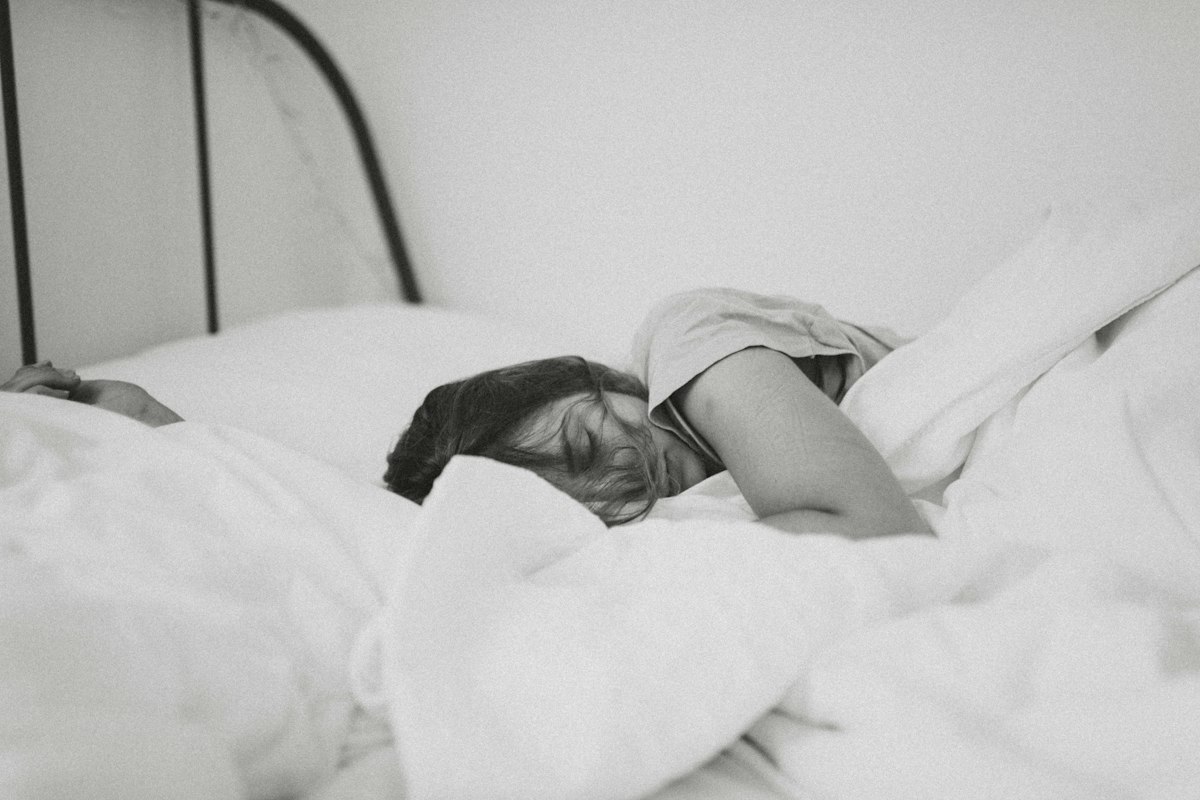
A large study published in JAMA Network Open in September 2024 caught a lot of attention in sleep medicine circles — and it should catch yours too. Researchers analyzed data from more than 888,000 older Medicare beneficiaries with obstructive sleep apnea and found that those who started treatment had significantly lower rates of death and major cardiovascular events than those who didn't. The numbers were striking enough to reinforce what doctors have long suspected: sleep apnea isn't just a snoring problem. For adults over 50, it's a serious health issue that often goes unrecognized for years. If you've been brushing off poor sleep as just "getting older," this is worth a closer look.
What Sleep Apnea Actually Is
Sleep apnea is a condition where your breathing repeatedly stops and starts while you sleep. The most common form — obstructive sleep apnea (OSA) — happens when the muscles at the back of your throat relax too much, partially or fully blocking your airway. Your brain detects the drop in oxygen and briefly wakes you up to reopen it. This can happen dozens or even hundreds of times a night. Most people have no memory of it happening.
That's part of what makes it so tricky. You're not lying awake staring at the ceiling — you're technically "sleeping." But the quality of that sleep is being shredded, and your heart and brain are working overtime every single night to compensate.
Sleep apnea is more common than most people realize. It affects an estimated 26% of adults between the ages of 30 and 70, according to data from the American Academy of Sleep Medicine — and prevalence climbs with age. By the time you're in your 60s or 70s, the structural changes in your throat and airway make you significantly more susceptible.
Sleep Apnea Signs Seniors Often Miss
Here's the thing about the classic signs — they happen while you're unconscious. So unless someone shares your bedroom, you might have no idea. That said, the warning signs of OSA include several symptoms you can notice yourself, and they're worth paying attention to.
Loud, disruptive snoring is the most well-known red flag. Not occasional gentle snoring, but the kind that prompts a partner to sleep in another room. If that's been going on for a while and you've written it off, reconsider.
Waking up gasping or choking is a more dramatic sign — and one that genuinely warrants a call to your doctor sooner rather than later. So is being told by a partner that you stop breathing during sleep.
Excessive daytime sleepiness is one of the most commonly overlooked sleep apnea signs in seniors. Feeling drowsy after a bad night is normal. Struggling to stay awake during conversations, meals, or while driving — that's not. The NIH's National Institute of Neurological Disorders and Stroke specifically recommends talking to your doctor if you experience unexplained daytime sleepiness alongside snoring or breathing interruptions.
Other signs that often get blamed on aging, stress, or "just life":
- Waking up with a dry mouth or sore throat
- Morning headaches that fade within an hour or two
- Difficulty concentrating or remembering things
- Mood changes, irritability, or low-grade depression
- Needing to urinate frequently during the night (nocturia)
None of these alone is a diagnosis. But several of them together — especially paired with snoring or witnessed breathing pauses — paints a picture worth discussing with your doctor.
Why This Matters More After 50
Sleep apnea at any age deserves attention. But the stakes rise as you get older, and here's why.
The cardiovascular strain from repeated oxygen drops is cumulative. Every time your breathing stops, your oxygen levels dip and your body releases stress hormones to wake you up. Your heart rate spikes. Your blood pressure surges. Do that 30 or 40 times an hour, every night, for years, and you're putting enormous strain on a cardiovascular system that's already working harder than it did at 35.
Untreated sleep apnea is associated with significantly higher risk of high blood pressure, heart attack, stroke, and irregular heart rhythms like atrial fibrillation. The cognitive effects are also real — disrupted sleep interferes with the brain's overnight "cleaning" process, and some researchers believe chronic sleep apnea may contribute to cognitive decline over time.
The good news from that JAMA Network Open study is that treatment works. Adults 50 and older who initiated positive airway pressure (PAP) therapy — the most common treatment — saw meaningful reductions in mortality and major cardiac events. The benefit was there even for people diagnosed later in life. It's not too late to act.
How Sleep Apnea Is Diagnosed
A lot of people delay getting tested because they assume it means sleeping overnight in a hospital. That used to be the standard, but things have changed. Home sleep apnea tests are now widely available — your doctor can prescribe one, and you do it in your own bed. It's not quite as detailed as an in-lab study, but for most adults with moderate-to-high suspicion of OSA, it's a perfectly reasonable first step.
The in-lab polysomnography (the full overnight sleep study) is still the gold standard and may be recommended if your situation is more complex — for example, if your doctor suspects a different type of sleep disorder or if you have significant heart or lung disease.
Either way, the conversation starts with your primary care doctor. Write down your symptoms before the appointment. If you have a partner who's witnessed anything — snoring, gasping, breathing pauses — bring that information too. It matters clinically.
Video: Mayo Clinic Minute: Signs of a sleep disorder -- Mayo Clinic
What Treatment Looks Like
The most effective and most commonly prescribed treatment for moderate-to-severe OSA is a CPAP machine (continuous positive airway pressure). It delivers a steady stream of air through a mask to keep your airway open while you sleep. A lot of people resist it initially — the mask feels strange, the machine seems like a hassle. But CPAP technology has improved significantly. Masks are lighter, quieter, and more comfortable than they were even a decade ago. Most people who stick with it for a few weeks find that the difference in how they feel during the day is substantial.
For milder cases, alternatives include oral appliances (custom-fitted mouthguards that reposition your jaw), positional therapy (since sleeping on your back tends to worsen apnea), and in some cases, surgical options. Weight loss, when relevant, can also make a meaningful difference.
The right approach depends on the severity of your apnea, your anatomy, your health history, and honestly, what you'll actually use consistently. A treatment that sits gathering dust won't help you.
Steps You Can Take Right Now
If you're reading this and nodding along, here's a simple action plan.
Track your symptoms for a week. Note when you wake up, how rested you feel, whether you have morning headaches, and how alert you feel in the afternoon. If you use a wearable device, check whether it's flagging any breathing irregularities overnight. If you use SteadiDay, the free Calendar sync feature makes it easy to log sleep notes and doctor appointment reminders all in one place — small details you jot down today become useful context for your appointment next week.
Ask a household member. If someone sleeps near you, ask them directly. Do you snore? Have they noticed pauses in your breathing? It's a slightly awkward conversation, but it could surface information your doctor genuinely needs.
Call your doctor. Don't wait until your next annual physical if symptoms are happening now. Sleep apnea is diagnosable and treatable. The risk of ignoring it — to your heart, your brain, your daily functioning — is well-documented and significant. A single conversation with your doctor could set a meaningful change in motion.
Common Questions
Can you have sleep apnea without snoring?
Yes. Snoring is the most commonly associated symptom, but not everyone with sleep apnea snores loudly or at all. Daytime sleepiness, waking up gasping, morning headaches, and difficulty concentrating can all be signs of sleep apnea even without obvious snoring. If several of these symptoms are present, it's worth talking to your doctor regardless.
At what age does sleep apnea become more common, and why?
Sleep apnea prevalence increases with age, particularly after 50. As you get older, the muscles and tissues in the throat lose tone, and structural changes in the upper airway make obstruction more likely during sleep. Weight gain around the neck and hormonal changes — particularly after menopause in women — also contribute to higher rates of OSA in older adults.
Is a CPAP machine the only treatment for sleep apnea in older adults?
No. CPAP is the most widely used and most effective treatment for moderate-to-severe obstructive sleep apnea, but alternatives exist. These include custom oral appliances, positional therapy, weight loss strategies, and surgical options for select cases. Your doctor or a sleep specialist can help determine which approach best fits your severity level, health history, and lifestyle.
How do I bring up sleep apnea concerns with my doctor if I sleep alone and can't confirm my symptoms?
Describe what you do notice yourself — excessive daytime sleepiness, morning headaches, dry mouth on waking, frequent nighttime urination, or difficulty concentrating. Some wearable devices can also detect irregular breathing or low oxygen levels overnight and provide useful data to share. Your doctor can order a home sleep test based on your symptoms alone; a witness to your sleep is helpful but not required.
Ready to Take Control of Your Daily Wellness?
SteadiDay helps you manage medications, track your health, and stay connected with loved ones. Every feature is completely free.
Download Free on the App Store