When Carol, 64, filled her glass from the kitchen tap each morning, she felt good about it. She'd ditched the soda years ago. She drank her eight glasses a day. She figured she was doing everything right. Then her doctor mentioned a sweeping new study — one that tracked more than 54,000 adults for nearly three decades — and Carol had questions she'd never thought to ask before. Like: could the water itself be part of the problem?
The short answer, according to a landmark study just published in Alzheimer's & Dementia, is: possibly. And the details are worth understanding, because this research doesn't just raise a concern — it points toward something genuinely useful you can do about it, starting at your next meal.
What the Study Actually Found About Nitrate and Dementia Risk
Researchers from Edith Cowan University and the Danish Cancer Research Institute followed 54,000+ Danish adults over 27 years, tracking what they ate, what they drank, and who went on to develop dementia. What they found upended the usual conversation about nitrates. It turns out that where your nitrate comes from may matter far more than how much of it you consume.
People who got more nitrate from vegetables had a measurably lower risk of developing dementia. People who got more from red meat, processed meat, or tap water had a higher risk. That split — same molecule, opposite effects — is the heart of this groundbreaking 27-year study on source-specific nitrate intake and dementia, and it's why the findings are generating so much attention in the scientific community.
Here's the thing that stopped researchers in their tracks: the drinking water finding is brand new. This is the first study to directly link nitrate in drinking water to dementia risk — and not at alarming industrial-contamination levels. Water containing just 5 milligrams of nitrate per liter was associated with a higher number of dementia cases. The current legal limit in most countries, including the U.S. and across Europe, is 50 milligrams per liter. That's a tenfold gap between "still considered safe" and "already showing a signal."
Why Vegetables Get a Pass — and Processed Meat Doesn't
Nitrate is nitrate, chemically speaking. So why does a cup of baby spinach appear to protect your brain while a serving of processed deli meat edges the risk in the wrong direction? The answer lies in the company nitrate keeps.
When you eat vegetables, the nitrate arrives alongside a whole ecosystem of vitamins, antioxidants, and phytonutrients — particularly vitamin C and polyphenols. These compounds steer nitrate toward a beneficial conversion: your body turns it into nitric oxide, a molecule that relaxes and dilates blood vessels, improves circulation, and supports healthy blood flow to the brain. Good blood flow to the brain is, not surprisingly, closely tied to lower dementia risk.
Processed meat is a different story. The nitrates and nitrites in cured and preserved meats interact with proteins called amines in an environment that's low in protective antioxidants, producing compounds called nitrosamines instead. Nitrosamines have been associated with cellular damage — including, potentially, in brain tissue. A 2025 study in Neurology reinforced this picture, finding that higher processed red meat intake was linked to both a greater risk of dementia and measurably worse cognitive function — and that swapping just one daily serving of processed red meat for nuts or legumes was associated with roughly a 20% lower dementia risk.
What surprised researchers about the water finding is that the mechanism is less clear. Tap water doesn't carry the protective antioxidants that vegetables do, but it also doesn't carry the amine-rich proteins of processed meat. Scientists suspect the nitrate in water may simply contribute to overall nitrate load in an unprotected form — arriving without the biological chaperones that make vegetable nitrate beneficial. It's a hypothesis that warrants a lot more research, and the study's authors are calling for exactly that.
The Numbers That Should Be on Your Radar
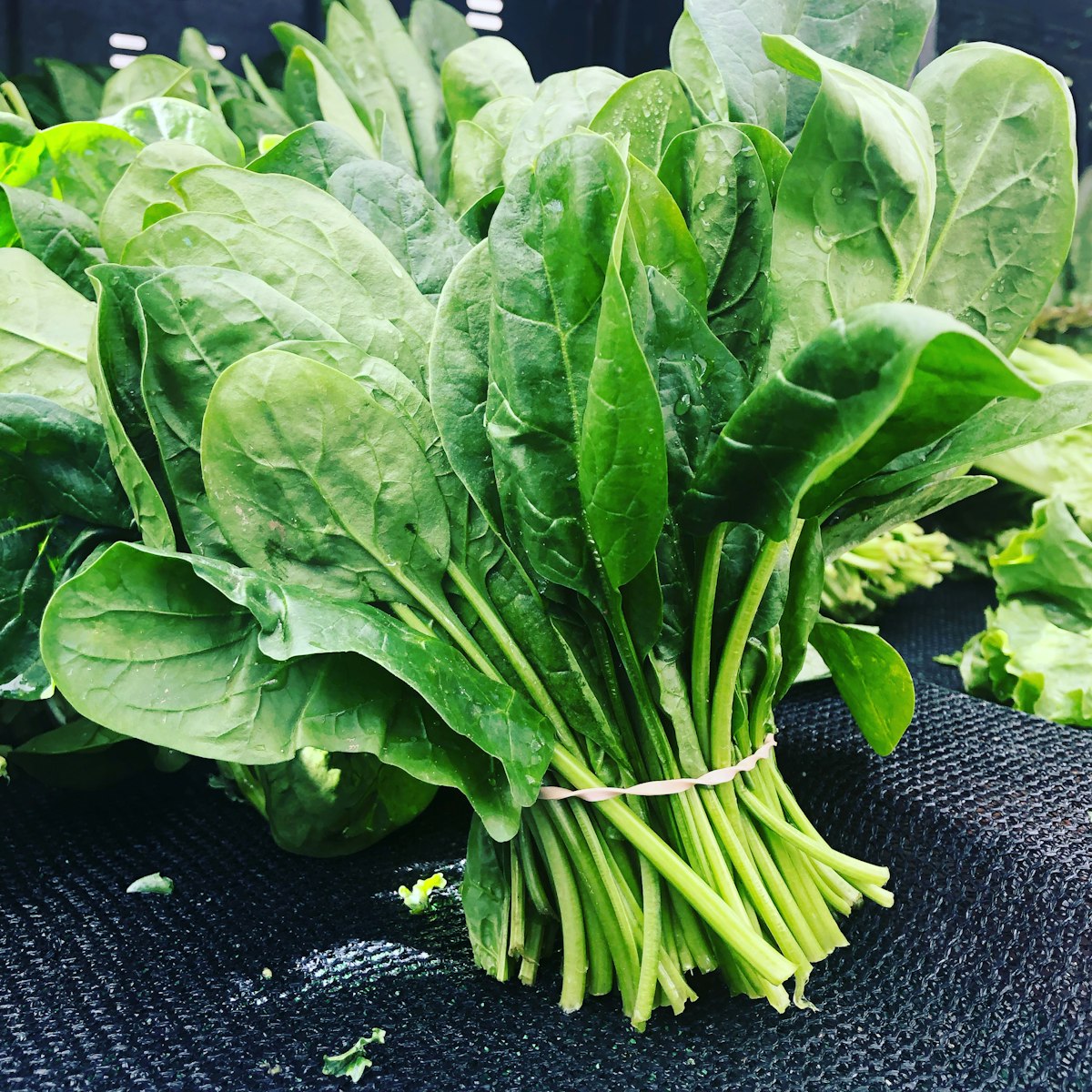
Let's put some concrete figures on this. The researchers found that participants who consumed more vegetable-sourced nitrate — roughly equivalent to about a cup of baby spinach per day — showed a lower risk of developing dementia over the study period. That's not a dramatic dietary overhaul. That's a handful of greens at lunch.
On the water side, a nitrate concentration of just 5 mg/L was associated with increased dementia risk. Most municipal water systems report their nitrate levels publicly — in the U.S., your utility is required to publish an annual Consumer Confidence Report. If you've never looked yours up, this study is a reasonable prompt to do so. For perspective, agricultural runoff and fertilizer use are the most common drivers of elevated nitrate in groundwater, which means the risk isn't evenly distributed geographically.
The researchers are not saying, "Stop drinking tap water." They're saying the current regulatory limit of 50 mg/L may need re-evaluation in light of evidence showing effects at far lower concentrations. Their formal recommendation is for regulators to take a closer look — and for the scientific community to follow up with more research before firm conclusions are drawn.
What This Means for What You Eat
The dietary picture this study paints aligns closely with what a growing body of research has been building toward. A 2026 study in Neurology following a multiethnic cohort found that people who stuck most closely to a high-quality plant-based diet — one rich in whole grains, fruits, vegetables, and legumes — had a meaningfully lower risk of Alzheimer's disease and related dementias. Notably, the researchers found that an unhealthful plant-based diet, heavy on refined grains and added sugars, was actually linked to higher risk. The quality of what you're eating matters, not just the category.
So the practical takeaway isn't to obsess over nitrate grams on a nutrition label. It's to shift the balance of where your nitrate comes from. Leafy greens like spinach, arugula, and Swiss chard are among the richest natural sources of vegetable nitrate. Beets and beet juice have become popular partly for this reason. Adding more of these to your plate — as a side dish, blended into a smoothie, tucked into a grain bowl — moves you in the direction the evidence points.
Reducing processed meat is the other lever. Bacon, deli turkey, hot dogs, salami — these are the foods to treat as occasional rather than everyday. If you're a habitual sandwich-at-lunch person, swapping the deli meat for hummus and roasted vegetables a few days a week is an easy, low-friction change that the research genuinely supports.
What to Do About Your Drinking Water
The water piece is where many people feel a flicker of helplessness, and it's worth being practical here. First: check your local water quality report. In the U.S., you can find your utility's Consumer Confidence Report at EPA.gov or simply search your city's name plus "water quality report." Most areas have nitrate levels well below 50 mg/L, and many will be well below 5 mg/L — but you won't know until you look.
If your levels are elevated, or if you simply want an extra layer of protection, reverse osmosis filtration systems are among the most effective technologies for reducing nitrate in tap water. Standard carbon filters — the kind in a typical pitcher or faucet attachment — do not reliably remove nitrate, so filter type matters here. Under-sink reverse osmosis units have become more affordable in recent years and are worth considering for households on private wells, which are not subject to the same testing requirements as municipal systems.
One thing worth keeping in mind: this is a single study, even a very large and long one. The researchers themselves are careful to frame the water finding as a call for further investigation, not a public health emergency. What it is, clearly, is a signal worth paying attention to — and one that regulatory agencies and scientists are now likely to follow up on in the years ahead.
Small Shifts, Tracked Over Time
If any of this has you thinking about your daily habits in a new way — what you're eating, what you're drinking, how consistently you're actually making the changes you intend to make — SteadiDay's free Flashlight feature is a simple tool worth knowing about. Flashlight helps you identify which daily habits are and aren't showing up consistently over time, so you can see patterns you might otherwise miss. It's less about tracking every gram and more about building the kind of awareness that makes gradual, sustainable change possible.
The science of brain health is cumulative. The foods you eat most days, the water you drink most mornings, the small choices that accumulate over decades — those are the things that studies like this one are actually measuring. And the encouraging news is that the choices this research points toward aren't radical. More greens. Less processed meat. A look at your water report. That's a manageable list.
Carol, for her part, pulled up her city's water quality report that same afternoon. Her nitrate level was 2.1 mg/L — well below any threshold for concern. But she also noticed she hadn't eaten a green vegetable in four days. She ordered a bag of baby spinach with her groceries. Sometimes a study doesn't change everything. Sometimes it just nudges you toward the thing you already knew you should probably do.
Common Questions
Is nitrate in drinking water actually dangerous for brain health, even below the legal limit?
A 27-year study of more than 54,000 adults published in Alzheimer's & Dementia found that tap water containing as little as 5 milligrams of nitrate per liter was associated with a higher rate of dementia — well below the legal limit of 50 mg/L in most countries. Researchers are calling for a re-evaluation of current safety standards, though they emphasize this is the first study of its kind and more research is needed before definitive conclusions can be drawn.
If nitrate is bad for the brain, why do vegetables lower dementia risk?
Vegetables naturally contain vitamins, antioxidants, and other compounds — particularly vitamin C — that guide nitrate toward a beneficial conversion into nitric oxide, a molecule that supports healthy blood flow to the brain. Processed meat and tap water lack these protective compounds, so nitrate from those sources appears to follow a different and potentially harmful pathway in the body.
Do standard water filters remove nitrate from tap water?
Standard carbon filters, including most pitcher-style and faucet-mounted filters, do not reliably remove nitrate. Reverse osmosis filtration systems are among the most effective options for reducing nitrate in drinking water and are worth considering if your local water report shows elevated levels or if you're on a private well.
How much vegetable nitrate do I need to eat to potentially lower my dementia risk?
The study found that participants who consumed vegetable-sourced nitrate at levels roughly equivalent to about one cup of baby spinach per day showed a lower risk of dementia over nearly three decades of follow-up. Leafy greens like spinach, arugula, Swiss chard, and beets are among the richest natural sources of vegetable nitrate.
Ready to Take Control of Your Daily Wellness?
SteadiDay helps you manage medications, track your health, and stay connected with loved ones. Every feature is completely free.
Download Free on the App Store