You've probably heard that gardening is a nice, relaxing way to spend a Sunday afternoon. Maybe a gentle hobby for people who've slowed down a bit. Something pleasant, sure — but not exactly a health strategy. Turns out, that picture is almost completely wrong. The gardening health benefits seniors experience go well beyond a few extra steps and some fresh air. We're talking measurable improvements in heart health, brain function, stress resilience, and more. Let's dig up the real story.
Myth 1: Gardening Isn't Real Exercise
Here's one you've probably heard — or maybe even believed yourself. Gardening doesn't count as "real" physical activity. It's just puttering around outside, right?
Wrong. Digging, raking, hauling bags of soil, kneeling, squatting, reaching — gardening hits multiple muscle groups and gets your heart rate up in ways that matter. The physical demands aren't just anecdotal. A large national study of over 146,000 adults aged 65 and older found that gardeners had significantly better cardiovascular health, lower odds of chronic disease, and reduced 10-year mortality risk compared to non-exercisers. They were also far more likely to eat fruits and vegetables five or more times per day.
That last part matters. Gardening doesn't just make you move more — it nudges your whole lifestyle in a healthier direction. You grow it, you eat it. Simple, but powerful.
Myth 2: It's Too Late for Gardening to Protect Your Brain
There's a quiet fear many people over 50 carry: that cognitive decline is more or less inevitable, and there's not much you can do about it. Gardening, of all things, turns out to be a meaningful counter to that fear.
A cross-sectional study of 136,748 adults aged 45 and older found that gardening was associated with a significantly lower risk of subjective cognitive decline — the kind of early, self-noticed memory slippage that often precedes more serious conditions like dementia. Gardeners also reported fewer cognitive decline-related functional limitations compared to non-exercisers.
Why might this be? Gardening is cognitively demanding in ways people underestimate. You're planning, problem-solving, learning, remembering what you planted where, and responding to constant environmental changes. Your brain is working. That kind of sustained, purposeful mental engagement is exactly what researchers think helps keep cognitive function sharp as we age.
Myth 3: Gardening Is Only Good for Physical Health
Ask most people what gardening does for you and they'll mention the physical stuff — exercise, fresh air, vitamin D. The mental health angle gets overlooked. That's a mistake.
Stress is one of the most underestimated threats to health after 50. Chronic stress accelerates aging, disrupts sleep, raises blood pressure, and erodes mental health over time. Here's where gardening does something quietly remarkable. A study of 3,293 adults aged 55 and older found that more frequent gardening significantly softened the negative relationship between stress and mental health. In plain terms: life was still stressful for gardeners, but the damage that stress did to their mental wellbeing was meaningfully reduced.
Think of it as a buffer. Gardening won't eliminate stress — nothing will. But it appears to help your mind absorb and recover from stress more effectively. That's not a small thing. That's a genuinely useful psychological tool that happens to also produce tomatoes.
Myth 4: You Need a Big Yard or Perfect Joints to Garden
This one stops a lot of people before they even start. They picture gardening as requiring a sprawling backyard, two healthy knees, and hours of bending over at the waist. None of that is true.
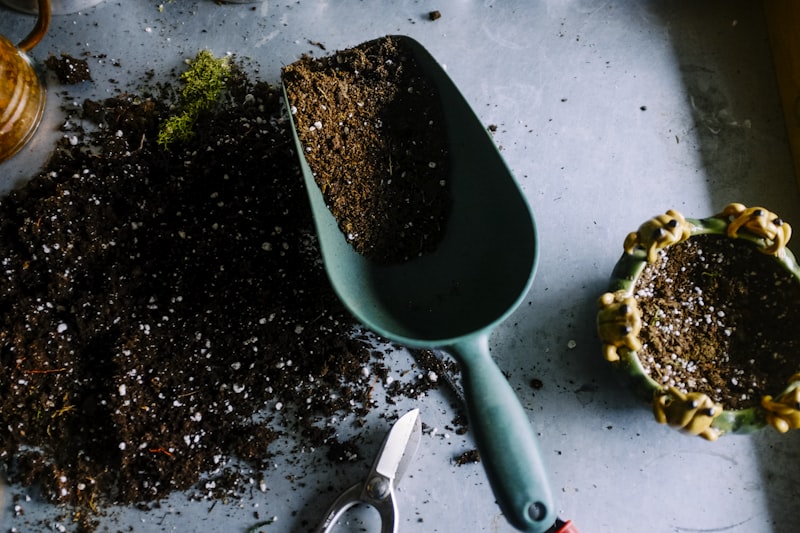
Raised bed gardening has transformed accessibility for adults over 50. Waist-high planting beds eliminate most of the kneeling and deep bending that cause joint pain. Container gardening on a patio or even a balcony works beautifully. Adaptive tools with ergonomic grips and longer handles exist specifically for people with arthritis or reduced grip strength. Even a few pots of herbs on a windowsill counts — you're still getting the engagement, the routine, and the mental reward.
The goal isn't to become a competitive horticulturalist. It's to build a regular habit that gets you moving, keeps your mind active, and gives you something to tend. Start small. Add complexity as you go. Your body will tell you what works.
Video: Mayo Clinic Minute: Benefits of tending a garden -- Mayo Clinic
Myth 5: The Benefits Only Show Up Over Years
People sometimes assume that health-protective habits take years to show meaningful effects. With gardening, some benefits arrive surprisingly fast.
The stress-buffering effects described above can show up within a single session. Multiple studies on nature exposure and cortisol — the body's primary stress hormone — show measurable reductions after as little as 20 to 30 minutes outdoors engaged in a focused activity. Your nervous system starts to downshift quickly when you're working with your hands in a natural environment.
The longer-term cardiovascular and cognitive benefits do build over time, of course. But you don't have to wait years to feel a difference. Many people report sleeping better, feeling calmer, and having a stronger sense of daily purpose within the first few weeks of making gardening a regular habit. That momentum itself is valuable — it keeps you coming back.
Making It a Real Habit: A Few Practical Notes
Consistency beats intensity every time. A 30-minute gardening session three or four times a week will do more for you than an occasional four-hour marathon that wipes you out. Treat it like any other health practice — schedule it, protect it, and don't let perfect be the enemy of good.
If you're heading out to a nursery or garden center to stock up on supplies, a quick tip: the SteadiDay app has a free Find My Car feature that's genuinely handy for those sprawling parking lots. You'd be surprised how easy it is to lose track of where you parked when you're carrying flats of annuals and bags of mulch.
It's also worth starting a simple garden journal — just a few notes on what you planted, what worked, and what you want to try next. That low-key planning keeps your brain engaged between sessions and builds the kind of continuity that makes the habit stick.
The Bottom Line
Gardening after 50 isn't a consolation prize for people who can't do "real" exercise. It's a legitimately evidence-backed activity that supports cardiovascular health, helps protect against cognitive decline, buffers the mental health impact of stress, and keeps you physically active in a way that's sustainable and adaptable. The research isn't small or preliminary — we're talking studies involving hundreds of thousands of adults in your age group.
You don't need a perfect garden, a perfect yard, or perfect health to start. You just need a patch of soil, a pot, or even a windowsill — and the willingness to show up regularly. The evidence says that matters more than almost anything else about how you do it.
Common Questions
How much time do seniors need to spend gardening each week to get health benefits?
Research doesn't prescribe a single target number, but consistent, moderate engagement appears to be the key factor. Aim for at least three sessions per week of 20 to 30 minutes each. Shorter, regular sessions are more beneficial than occasional long ones and are easier on your joints.
Is gardening safe for older adults with arthritis or chronic joint pain?
Yes, with the right adaptations. Raised beds, ergonomic tools with padded grips, and container gardening can dramatically reduce strain on arthritic hands, knees, and hips. It's worth talking to your doctor or an occupational therapist about specific modifications if you have significant joint limitations.
Can gardening really help reduce the risk of dementia in people over 50?
The evidence is promising. A large study of over 136,000 adults aged 45 and older found that gardeners had significantly lower rates of subjective cognitive decline — an early warning sign of dementia — compared to non-exercisers. Gardening engages planning, memory, and problem-solving, which researchers believe contributes to this protective effect.
What type of gardening is best for heart health in older adults?
Any form of gardening that involves sustained physical activity — digging, raking, hauling, and planting — provides cardiovascular benefit. You don't need to do heavy landscaping work. Consistent moderate-intensity gardening that gently elevates your heart rate is what the research associates with better heart health outcomes in adults 65 and older.
Ready to Take Control of Your Daily Wellness?
SteadiDay helps you manage medications, track your health, and stay connected with loved ones. Every feature is completely free.
Download Free on the App Store