
It's 7:45 on a Tuesday morning. You're sitting at the kitchen table with your coffee, half-listening to the news, when your spouse mentions — again — that you forgot the dentist appointment last week. You both laugh it off. But later, alone, you wonder. Is this just normal aging? Or is it something worth asking a doctor about? That question used to lead somewhere frustrating: long waits, vague answers, and the prospect of expensive brain scans or a spinal tap just to get a starting point. As of August 24, 2026, that path got a lot shorter. The FDA cleared the Elecsys pTau217 — the first single-biomarker Alzheimer's blood test for adults over 55 that can both rule in and rule out Alzheimer's-related amyloid changes in the brain. A routine blood draw. That's where this starts now.
What the FDA Clearance Actually Means for You
Let's back up for a second. Amyloid plaques — abnormal protein clumps in the brain — are one of the defining features of Alzheimer's disease. Until recently, confirming their presence meant either a PET scan (which can run $3,000 to $8,000 and isn't always covered by insurance) or a lumbar puncture, also called a spinal tap. Neither one is something most people look forward to, and neither is something your primary care doctor can just order on a routine visit.
The Elecsys pTau217 test, developed by Roche Diagnostics in collaboration with Eli Lilly, changes the first step entirely. It measures a specific protein called phosphorylated tau 217 in your blood. Elevated levels of pTau217 are strongly associated with amyloid pathology — meaning the test can give your doctor meaningful signal about what's happening in your brain from a standard blood draw. The Alzheimer's Association called this clearance a landmark moment, noting it as the fourth blood-based biomarker test cleared for Alzheimer's disease and emphasizing that blood tests used alongside standard clinical evaluation can help patients get answers — and access to treatment — faster.
This isn't a screening tool for healthy people with no symptoms. The FDA cleared it specifically for adults 55 and older who already have signs, symptoms, or complaints of cognitive decline. Think of it as a smarter first step when something already feels off.
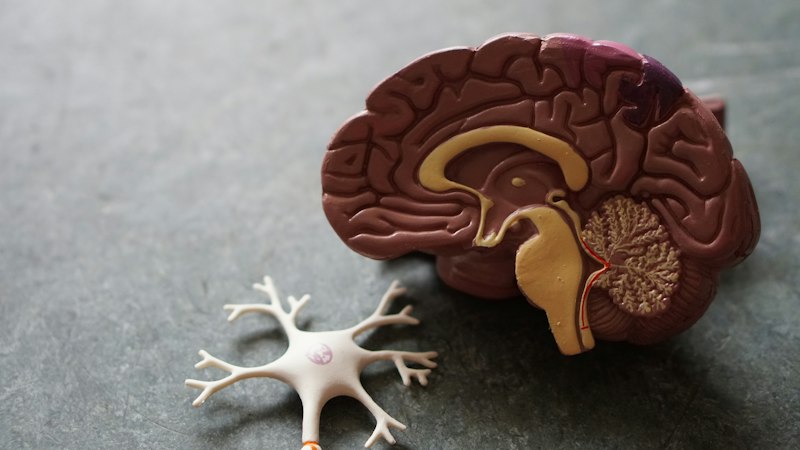
Morning: The Conversation You've Been Putting Off
Most people sit on memory concerns for months before bringing them up to a doctor. That delay is understandable — partly fear, partly not wanting to seem dramatic. But here's what's changed: your primary care doctor now has a concrete, accessible tool to start the conversation with.
Picture your annual physical this fall. You mention the forgotten appointments, the word that took too long to find at dinner last week. In the past, your doctor might have ordered a brief cognitive screening test and said "let's keep an eye on it." Now, they can also order the Elecsys pTau217 blood test alongside your standard labs. Same morning, same blood draw.
A 2026 meta-analysis published in Molecular Neurobiology found that plasma pTau217 demonstrated pooled sensitivity of 85.4% and specificity of 88.0% for Alzheimer's pathology — consistently outperforming other blood biomarkers and correlating meaningfully with cognitive decline across both amyloid PET and cerebrospinal fluid reference standards. Those numbers matter. They mean the test is good enough to genuinely inform clinical decisions, not just add noise.
Write down your concerns before the appointment. Be specific: how often memory lapses happen, whether they've gotten worse over six months, whether anyone else has noticed. Your doctor needs that context. The blood test gives them biological data. You give them the lived experience. Together, that's a real starting point.
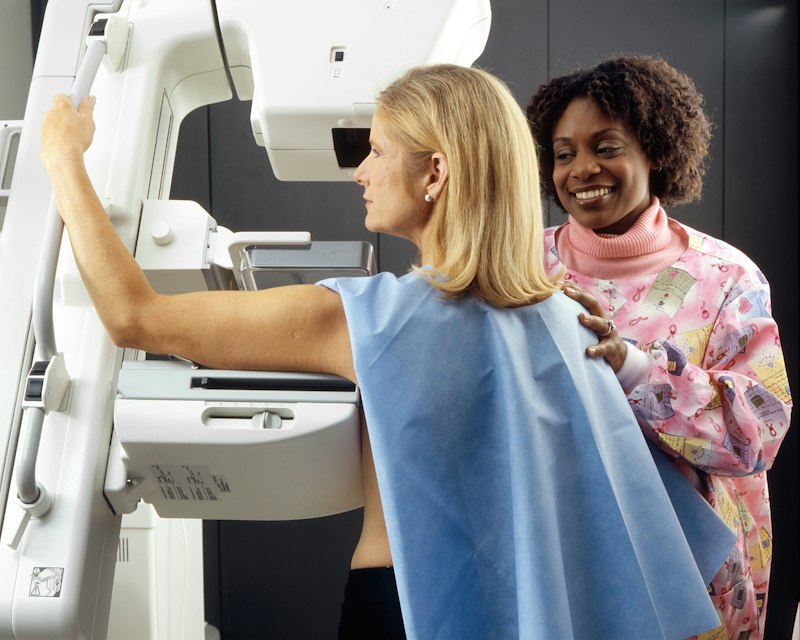
Midmorning: Understanding What "Cleared" Actually Means
FDA clearance and FDA approval sound similar but mean different things. Clearance — which is what the Elecsys pTau217 received — means the agency reviewed evidence showing the test is safe and effective for its intended use and determined it's substantially equivalent to already legally marketed devices. It's rigorous. It's not a rubber stamp.
What this clearance specifically allows is both rule-in and rule-out assessment. That's significant. Many earlier blood biomarker tests were better at one than the other — decent at flagging likely Alzheimer's, weaker at confidently saying it's not the cause. The Elecsys test is the first single-biomarker test cleared to do both, which gives clinicians a fuller picture from one result.
The Alzheimer's Association's first-ever clinical practice guideline on blood-based biomarkers, published in July 2025, set a high bar: tests should meet at least 90% sensitivity and specificity thresholds to substitute for PET imaging or cerebrospinal fluid testing in specialty care settings. The Elecsys pTau217 was developed and validated with those benchmarks in mind. It doesn't replace the full diagnostic workup — neurological evaluation, cognitive testing, clinical history — but it replaces the need for an invasive or expensive imaging test as the first step.
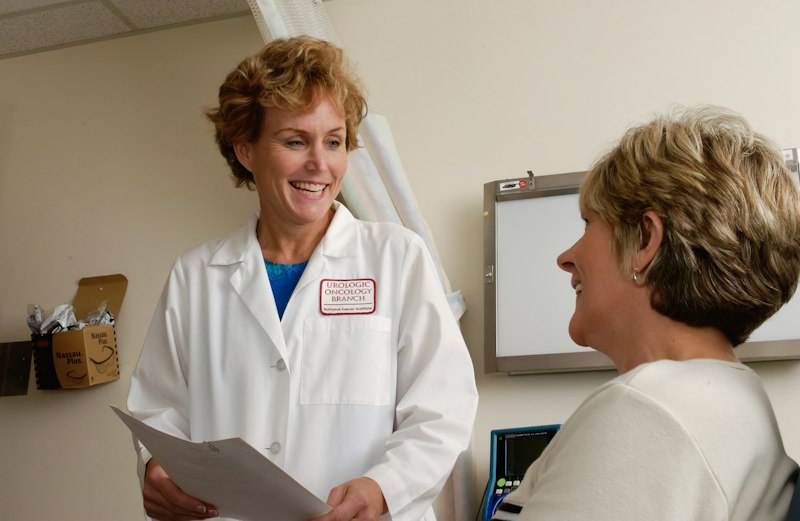
Afternoon: What Happens After the Blood Draw
Results typically come back within a few days. Then what? This is where it helps to understand what the two possible outcomes actually mean in practice.
A negative result — meaning low pTau217, suggesting amyloid pathology is unlikely — doesn't mean your memory concerns aren't real. It means Alzheimer's-related amyloid changes are probably not driving them. Your doctor can then look at other causes: sleep apnea, thyroid issues, medication side effects, vascular changes, depression. Many of those are treatable. That's genuinely good news.
A positive result — elevated pTau217, suggesting amyloid pathology is likely — will prompt a referral to a neurologist or memory specialist who will build a fuller picture. That might eventually include a PET scan or other testing, but now those tools are used to confirm and guide treatment, not as the $5,000 first guess.
Either way, you're moving forward with information instead of sitting in a waiting room of uncertainty. For the roughly 6.7 million Americans currently living with Alzheimer's disease, earlier clarity about diagnosis means earlier access to treatments — including newer medications that are most effective in the early stages.
If you're using the SteadiDay app, this is also a good moment to check in on the health trends you've been tracking. SteadiDay's free Apple Health integration pulls in data like sleep quality, activity levels, and heart rate patterns — all things that provide useful context when you're talking with your doctor about cognitive health. Bringing a few months of that data to your appointment gives your doctor more to work with, especially alongside a new biomarker result.

Late Afternoon: Talking to Family Without Derailing the Conversation
One of the harder parts of cognitive health concerns is figuring out how much to share with family — and when. Some people wait until they have "something concrete." Others want support from the beginning. There's no single right answer, but here's a useful framing: you're not announcing a diagnosis. You're telling people you're being proactive.
"I mentioned some memory concerns to my doctor, and we're doing a blood test to check on things" is a complete, calm sentence. It doesn't require a full explanation of amyloid biology. It lets people know what's happening without creating alarm or leaving them out entirely.
If your results come back positive and you do move into the specialist referral process, having a family member or close friend at appointments is genuinely helpful — not because you can't handle it, but because two sets of ears catch more than one, and the information can come fast. Ask them to take notes. It matters.
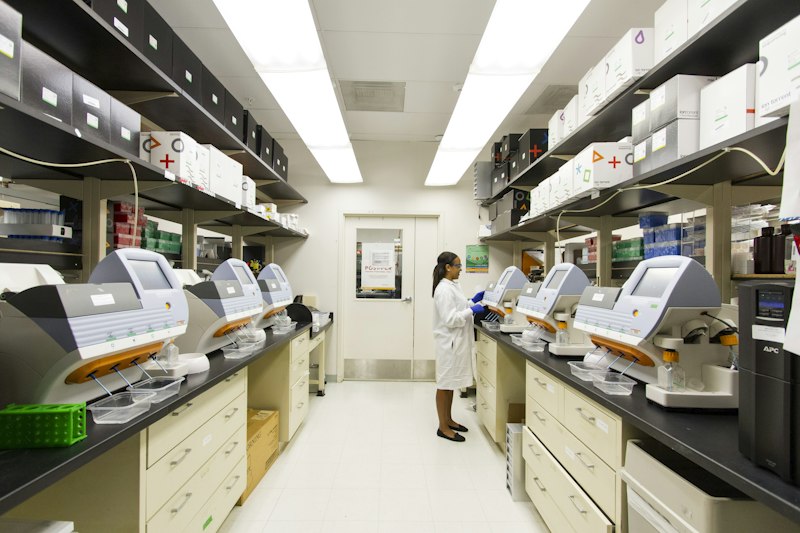
Evening: Building the Habits That Work Alongside Medical Care
A blood test is a snapshot. What you do between snapshots — every day — still shapes your brain health trajectory in real ways. The evidence on lifestyle and cognitive resilience is substantial and keeps getting stronger.
Sleep is probably the most underrated piece. During deep sleep, your brain's glymphatic system clears waste products — including amyloid proteins. Consistently poor sleep doesn't just make you foggy the next morning; over time, it may contribute to amyloid accumulation. Seven to eight hours is the target. If you're regularly falling short, that's worth addressing with the same seriousness as any lab result.
Physical activity — especially anything that gets your heart rate up for 30 minutes most days — continues to show some of the strongest associations with preserved cognitive function. You don't need a gym membership. A brisk walk after dinner counts. So does a bike ride or a swim. Consistency beats intensity, especially as we get older.
Staying socially engaged, managing blood pressure, and keeping blood sugar stable round out what researchers consistently identify as the modifiable levers for brain health. None of these replace medical evaluation. But they run alongside it, every single day, in ways a blood test can't capture.
Track what you can. SteadiDay's Apple Health integration makes it easy to see your activity, sleep, and heart rate trends over time without extra effort — it pulls the data you're already generating. Patterns over weeks and months are more meaningful than any single day's numbers, and they give you something concrete to reference when you talk to your care team.
Common Questions
Is the Elecsys pTau217 Alzheimer's blood test for adults over 55 available at regular doctor's offices, or only at specialists?
As of its FDA clearance on August 24, 2026, the Elecsys pTau217 test is intended to be ordered by physicians in clinical settings, including primary care. Availability will expand as labs add it to their test menus, but you can ask your primary care doctor about ordering it during a routine visit if you have signs or symptoms of cognitive decline.
Does a positive pTau217 blood test result mean I have Alzheimer's disease?
No. A positive result indicates that Alzheimer's-related amyloid pathology is likely present in the brain — it is not a standalone diagnosis of Alzheimer's disease. A diagnosis requires a full clinical evaluation including medical history, cognitive testing, and neurological assessment, typically with a specialist. The blood test is a starting point, not a final answer.
Will Medicare or private insurance cover the Elecsys pTau217 blood test?
Coverage decisions by Medicare and private insurers are made separately from FDA clearance and take time to roll out. As of late 2026, coverage policies are still being established. Ask your doctor's office to check your specific plan's coverage before the test is ordered, and ask whether a prior authorization is required.
Can someone without memory symptoms use this blood test to screen for Alzheimer's risk?
No — the FDA cleared the Elecsys pTau217 specifically for adults 55 and older who already have signs, symptoms, or complaints of cognitive decline. It is not approved or validated as a general population screening tool for asymptomatic individuals. If you're concerned about future risk but have no current symptoms, talk to your doctor about other evidence-based approaches to brain health monitoring.
Ready to Take Control of Your Daily Wellness?
SteadiDay helps you manage medications, track your health, and stay connected with loved ones. Every feature is completely free.
Download Free on the App Store