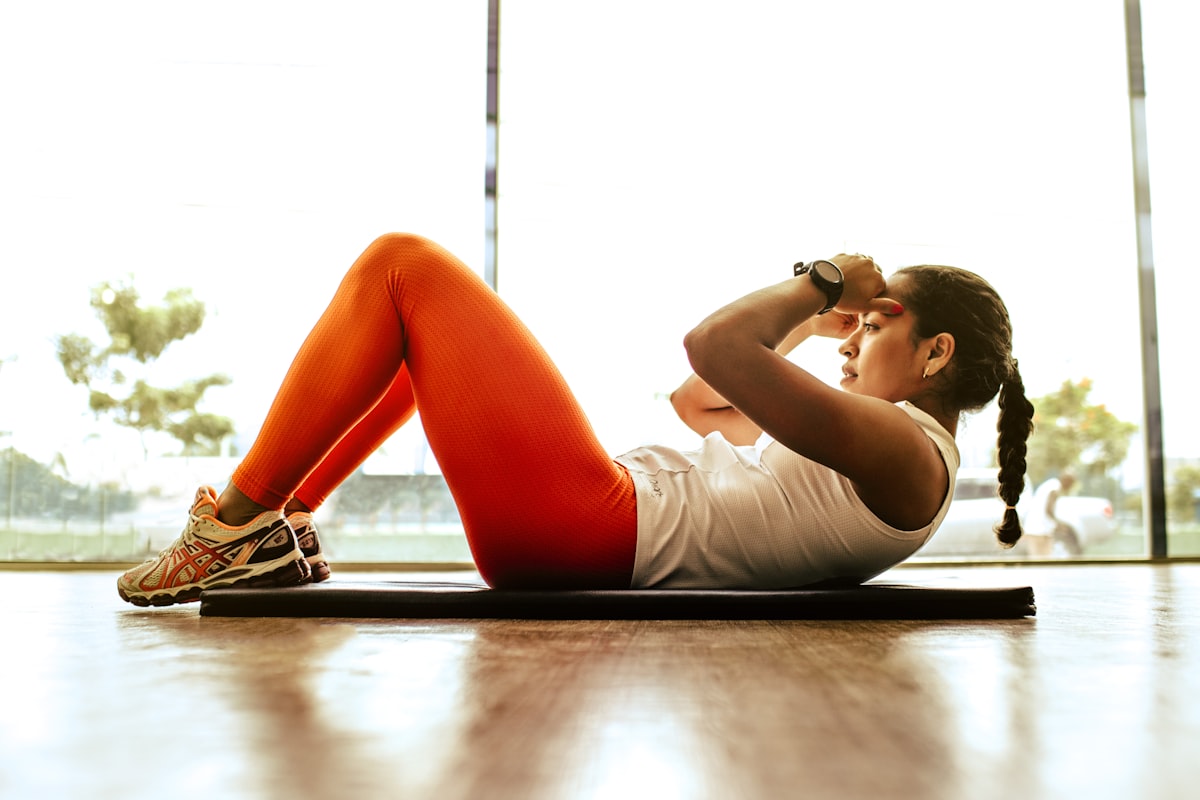
You've probably heard that yoga is for young, flexible people who already look like they belong on a wellness magazine cover. Maybe someone mentioned it at your doctor's office and you smiled politely while thinking, "That's definitely not for me." Here's the thing — almost everything most people over 50 believe about yoga for seniors and beginners turns out to be wrong. And those misconceptions are quietly keeping a lot of people away from something that could genuinely change how they feel every single day.
Myth #1: You Need to Be Flexible Before You Start Yoga
This one's everywhere, and it's completely backwards. Flexibility isn't the admission ticket — it's the result. Nobody walks into their first piano lesson already knowing how to play Beethoven. You start stiff, and the practice changes you.
The research backs this up clearly. NIH's comprehensive review on yoga for health found that yoga improves lower body flexibility and lower limb strength in older adults — meaning people who weren't flexible to begin with made measurable gains. That's the point. You don't need to touch your toes. You need to show up.
For yoga seniors beginners, poses like seated forward folds or supported mountain pose require zero prior flexibility. A chair, a wall, or even your kitchen counter can be your props. Start there.
Myth #2: Chair Yoga Is Just for People in Nursing Homes
Honestly, this myth frustrates me the most because it's keeping perfectly active people away from one of the most effective tools available to them. Chair yoga has a reputation problem it doesn't deserve.
Consider what the science actually shows. A 2025 study published in the International Journal of Exercise Science ran an 8-week chair yoga program with adults aged 77 to 92 — participants with real health complications, not a controlled lab ideal. Every single participant showed improvements in balance, gait, and overall quality of life. Every one of them.
If chair yoga can do that for people in their 80s managing multiple health conditions, imagine what it can do for a relatively healthy 55-year-old who just wants to feel steadier on their feet and sleep better. The chair isn't a limitation. It's a tool.
Myth #3: Yoga Is Too Gentle to Actually Do Anything
Some people swing to the opposite assumption — they've heard yoga is relaxing, so they assume it's basically just stretching on a mat. Not rigorous enough to matter. They'd rather walk or swim or lift weights.
Here's the surprise: yoga's benefits go well beyond what most people expect from a "gentle" exercise. That same NIH review found evidence that yoga improves depression, sleep quality, vitality, balance, and may even support cognitive function in older adults. Sleep. Brain function. Mood. That's a long list for something people dismiss as light stretching.
A 2025 study in PMC took this even further — a 12-week yoga program significantly improved balance and functional mobility while reducing fear of falling, symptoms of depression, and anxiety in older adults. Fear of falling is a big deal. It leads people to move less, which makes falls more likely. Yoga quietly breaks that cycle.
The physical gains are real, too. Holding a warrior pose or a gentle tree pose engages your legs, core, and stabilizing muscles in ways that matter enormously for daily life — getting up from a chair, carrying groceries, walking on uneven ground.
Myth #4: If You Have Joint Pain or a Chronic Condition, Yoga Isn't Safe
This is the myth that probably does the most harm. And it's understandable — nobody wants to make things worse. But the assumption that yoga is risky for people with arthritis, high blood pressure, or other common conditions over 50 simply doesn't hold up.
Remember that 2025 chair yoga study? Those participants weren't healthy volunteers selected for their fitness levels. They were adults aged 77–92 with comorbidities — meaning multiple health conditions at once — and they still improved across every single measure tracked.
The key word is modification. Gentle yoga for seniors beginners is designed to be adapted. Knees bothering you? You don't do the full pose. Hip replacement? Your instructor works around it. Online classes and apps increasingly offer modified versions of every pose, and good instructors always offer alternatives. If you're managing a specific condition, a quick conversation with your doctor before starting is smart — but "I have joint pain" alone is rarely a reason to skip yoga entirely.
Video: 10-Minute Chair Yoga Flow With Lorraine Ladish -- AARP
Myth #5: It's Too Late to Start Getting Benefits at 50, 60, or 70
This one might be the most quietly damaging belief of all. The idea that there's some window for building strength and balance that closes before you reach a certain age.
There isn't. The body responds to movement at every age. The 12-week yoga program referenced earlier showed significant, measurable improvements in real functional outcomes — balance, mobility, mental health — in older adults who weren't lifelong yogis. They started. They practiced. They got results.
What changes as you get older isn't your body's capacity to adapt. What changes is how you approach the adaptation. Gentler progressions. More attention to recovery. More focus on poses that translate directly to daily function. That's not a compromise — it's actually smart training.
A Few Beginner Poses Worth Trying This Week
You don't need a class to start. Here are four poses that work well for yoga seniors beginners, require no equipment beyond a chair or wall, and build real functional strength:
Seated Cat-Cow: Sit at the edge of a chair, hands on knees. Inhale and arch your back, lifting your chest. Exhale and round your spine. Repeat 8–10 times. This is gentle spinal mobility work that most people over 50 desperately need.
Standing Mountain Pose: Stand near a wall for support. Feet hip-width apart, arms at sides, weight evenly distributed. Hold for 30–60 seconds while breathing steadily. Sounds simple. It's quietly building postural awareness and balance.
Chair Warrior I: Sit sideways on your chair, right leg forward with foot flat on the floor, left leg stretched behind. Square your hips forward, raise your arms overhead. Hold 20–30 seconds per side. Builds hip flexor flexibility and leg strength simultaneously.
Supported Tree Pose: Stand near a wall. Shift your weight to your left foot, and place your right foot against your left ankle or calf (not the knee). Rest one hand lightly on the wall if needed. Hold 20–30 seconds per side. This directly trains the single-leg balance you use every time you take a step on uneven ground.
One practical note: if you're doing these outside or somewhere new, SteadiDay's free Find My Car feature can help you keep track of where you parked so the mental load of remembering logistics doesn't interrupt your practice. Small thing, but it genuinely helps when you're trying to establish a new routine.
The Bottom Line
Yoga isn't a young person's activity that older adults are graciously allowed to modify. It's one of the most well-researched, adaptable, and genuinely effective tools available to anyone over 50 who wants to move better, feel steadier, and sleep more soundly. The myths — that you need flexibility, that chair yoga isn't serious, that it's too late, that it's too risky — don't survive contact with the actual evidence.
You don't need to be flexible. You don't need a mat. You don't need to already be in shape. You need 10 to 15 minutes and a willingness to start where you are. That's it.
Common Questions
Is yoga safe for seniors over 50 who have never exercised regularly?
Yes, and it's one of the more accessible starting points available. Gentle yoga for seniors and beginners can be adapted to almost any fitness level, including those who have been sedentary for years. Starting with chair-based poses removes most fall risk, and research has shown benefits even in adults in their 80s with multiple health conditions. Checking in with your doctor before starting is a reasonable step, but low baseline fitness alone is not a barrier.
How long does it take to see results from yoga if you're a beginner over 50?
Studies showing significant improvements in balance, flexibility, and mood have used programs ranging from 8 to 12 weeks, with sessions typically 2–3 times per week. Many people notice better sleep and reduced muscle tension within the first two to three weeks. Consistency matters more than session length — even 15-minute practices add up quickly.
What type of yoga is best for seniors who are complete beginners?
Chair yoga and gentle Hatha yoga are the two most recommended styles for yoga seniors beginners. Chair yoga eliminates the need to get up and down from the floor, which reduces injury risk and makes it more accessible for people with joint issues or limited mobility. Gentle Hatha classes move slowly, hold poses longer, and typically include modifications for common physical limitations.
Can yoga help reduce the risk of falling in older adults?
There is strong evidence that it can. A 2025 study found that a 12-week yoga program significantly improved balance and functional mobility while also reducing fear of falling in older adults. Since fear of falling often leads people to move less — which ironically increases fall risk — yoga's ability to address both the physical and psychological sides of this issue makes it particularly valuable for adults over 50.
Ready to Take Control of Your Daily Wellness?
SteadiDay helps you manage medications, track your health, and stay connected with loved ones. Every feature is completely free.
Download Free on the App Store