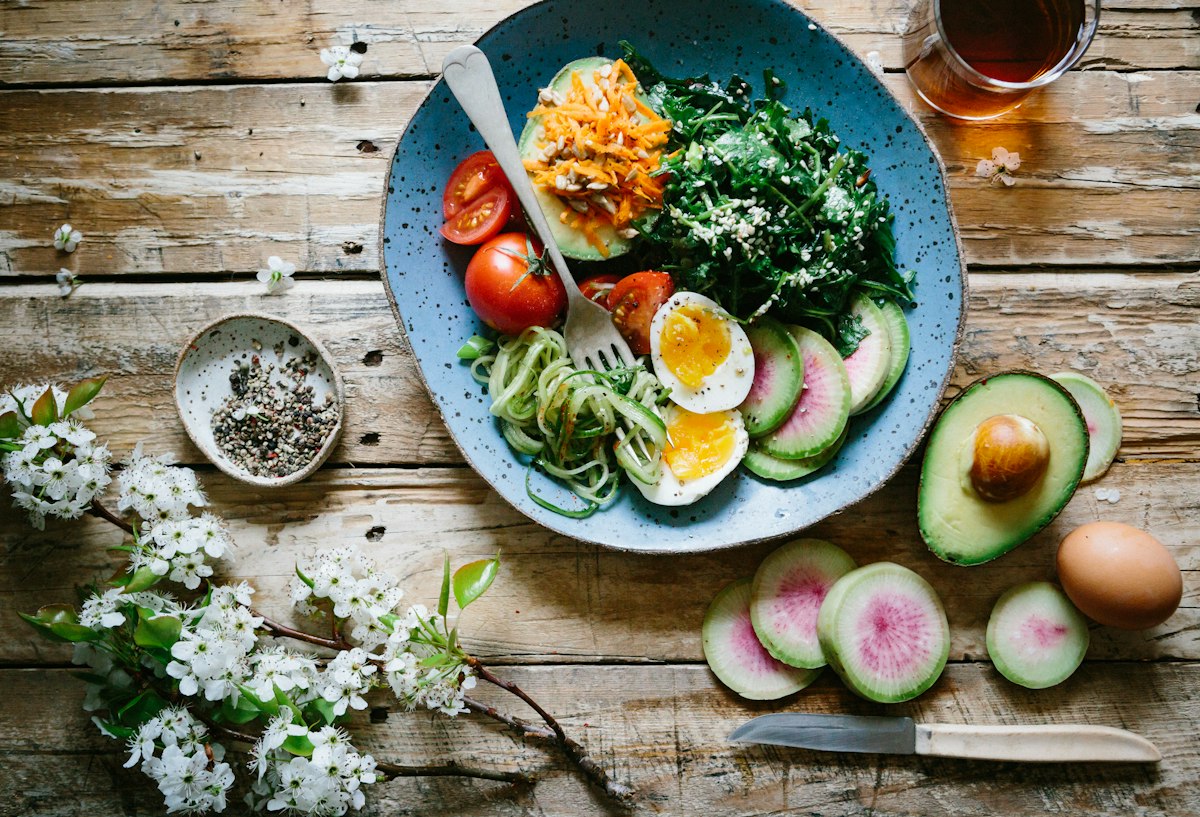
The Mediterranean diet is one of the most researched eating patterns in the world, and the evidence for adults over 50 is particularly compelling. If you've heard the term but aren't sure what it means in practice, this guide breaks it down into plain, usable steps. No overhaul required. You can start with a single meal.
What actually is the Mediterranean diet, and is it just about eating fish?
The Mediterranean diet is a whole eating pattern built around vegetables, fruits, whole grains, legumes, nuts, olive oil, and fish, with limited red meat and very little processed food. Fish is part of it, but it's not the centerpiece. The foundation is plants. Olive oil replaces butter as your primary fat. Meals tend to include beans, lentils, or chickpeas several times a week. Red meat appears occasionally, maybe once or twice a month. Dairy is present but modest, mostly in the form of yogurt or small amounts of cheese. Wine is sometimes associated with the pattern, but it's optional and not recommended if you don't already drink.
Will the Mediterranean diet actually help my heart?
The evidence is strong. A 2024 systematic review and meta-analysis published in Nutrients found that older adults who followed the Mediterranean diet closely had a 23% lower risk of dying from any cause and a 27% lower risk of dying from cardiovascular disease. You can read the full study here. Most of the pooled studies were observational, so they show a strong link rather than proof that the diet caused the drop. The lower risk of death held up in people over 70. Researchers point to a few likely reasons. Olive oil and fatty fish help lower inflammation. Fiber from vegetables and legumes helps manage blood pressure and LDL cholesterol. Cutting back on ultra-processed foods removes a significant source of sodium. These aren't small changes to the risk factors that drive heart disease.
Can this diet help protect my memory as I get older?
Research suggests it can. A 2025 meta-analysis found that adherence to the Mediterranean diet is associated with an 11 to 30% reduction in the risk of age-related cognitive disorders, including cognitive impairment, dementia, and Alzheimer's disease. That study is available here. The likely drivers include the anti-inflammatory effects of polyphenols in olive oil and vegetables, omega-3 fatty acids from fish, and antioxidants from fruits and nuts. No single food produces this effect. The benefit appears to come from the overall pattern, eaten consistently over time.
What do I eat in a typical day on this diet?
A practical day might look like this. Breakfast: Greek yogurt with a handful of walnuts and fresh or frozen berries. Lunch: a large salad with canned chickpeas, cucumber, tomato, feta, and a drizzle of olive oil, with a slice of whole grain bread. Dinner: baked salmon or sardines with roasted vegetables and a side of lentils or brown rice. Snacks can include fresh fruit, a small handful of almonds, or hummus with raw vegetables.
A few specific swaps make a large difference. Switch from butter to extra-virgin olive oil for cooking and dressing. Replace white bread and white rice with whole grain versions. Swap one or two meat-based dinners per week for a bean or lentil dish. Add a handful of leafy greens to meals wherever they fit. None of these changes require a recipe. They require a slightly different grocery list.
If a new habit is hard to remember, SteadiDay's free task reminders can help. Set one for a single swap, like a lentil dinner every Tuesday, and add the next once it sticks.
Video: How To Follow the Mediterranean Diet -- Cleveland Clinic
Are there specific foods I should buy every week?
A consistent shopping list is more useful than a rigid meal plan. These are the items worth keeping on hand every week:
- Extra-virgin olive oil. Use it for cooking, roasting, and as a dressing base. Look for a harvest date on the bottle, not an expiry date, for better quality.
- Canned fish. Sardines, mackerel, and wild salmon are affordable, shelf-stable, and high in omega-3s. Aim for two to three servings of fatty fish per week.
- Canned or dried legumes. Chickpeas, lentils, cannellini beans, and black beans are versatile and inexpensive. Canned versions are fine. Rinse them to reduce sodium.
- Leafy greens and seasonal vegetables. Spinach, kale, zucchini, tomatoes, bell peppers, and eggplant are all staples. Frozen vegetables work as well as fresh for most purposes.
- Nuts and seeds. Walnuts, almonds, and flaxseeds make useful snacks and toppings. A small handful (about 30 grams) is a standard serving.
- Whole grains. Whole grain bread, oats, brown rice, barley, and farro cover most meals.
- Fresh fruit. Berries, citrus, apples, and stone fruits work well as snacks and desserts.
You don't need everything on this list at once. Start with two or three of these categories and build from there.
Is this diet safe if I have diabetes or take medication for blood pressure?
For most people with type 2 diabetes or hypertension, the Mediterranean diet is considered beneficial and is consistent with standard dietary guidelines. Italy's 2025 national guidelines on the Mediterranean diet, written by Italian scientific societies with the country's National Institute of Health, make 84 evidence-based recommendations. They conclude that the diet lowers rates of heart disease and related deaths, especially in people already at high risk, and that a version rich in extra-virgin olive oil lowers the chance of developing type 2 diabetes in people at high cardiovascular risk. A summary of the guidelines is available here. That said, if you're on medication for blood pressure or blood sugar, any meaningful change in your eating pattern is worth discussing with your doctor or dietitian first. Some dietary shifts, particularly increasing potassium-rich foods or dramatically changing carbohydrate intake, can interact with medication dosing. Your doctor can tell you what to watch for based on your specific medications.
Common Questions
How long does it take to see health benefits from the Mediterranean diet?
Some benefits, like improvements in blood pressure and blood sugar levels, can appear within a few weeks of consistent changes. Benefits related to cardiovascular disease risk and cognitive protection develop over months and years of sustained eating patterns. Starting sooner gives you more time to accumulate those effects.
Is the Mediterranean diet expensive to follow on a fixed income?
The Mediterranean diet can be one of the more affordable eating patterns if you lean on its lower-cost staples. Canned fish, dried lentils, canned chickpeas, oats, frozen vegetables, and seasonal produce are all inexpensive. Olive oil costs more than vegetable oil, but you use smaller amounts and it serves as both a cooking fat and a dressing, replacing other products. Meat, which appears rarely in this pattern, tends to be the most expensive protein, so eating less of it often reduces the grocery bill overall.
Do I have to eat fish if I don't like it or follow a vegetarian diet?
No. The Mediterranean diet can be followed without fish. Walnuts, flaxseeds, and chia seeds supply a plant form of omega-3 called ALA, though the body converts only a small share of it into the omega-3s found in fish. Protein and iron needs can be met through legumes, eggs, and dairy if you eat them. A registered dietitian can help you ensure the pattern meets your nutritional needs if you're avoiding fish or other animal products.
Can the Mediterranean diet help with joint pain and inflammation?
Several components of the Mediterranean diet, including olive oil, fatty fish, and vegetables rich in antioxidants, have demonstrated anti-inflammatory effects in research. While the diet isn't a treatment for arthritis or other inflammatory conditions, reducing systemic inflammation through diet can contribute to managing symptoms for some people. Talk to your doctor if joint pain is significant, as it may benefit from additional evaluation or treatment.
SteadiDay for iPhone
Emergency SOS, fall detection and medication reminders are free, with no card to enter. Premium adds Family Link, Apple Health and the wellness tools.
Download on the App Store