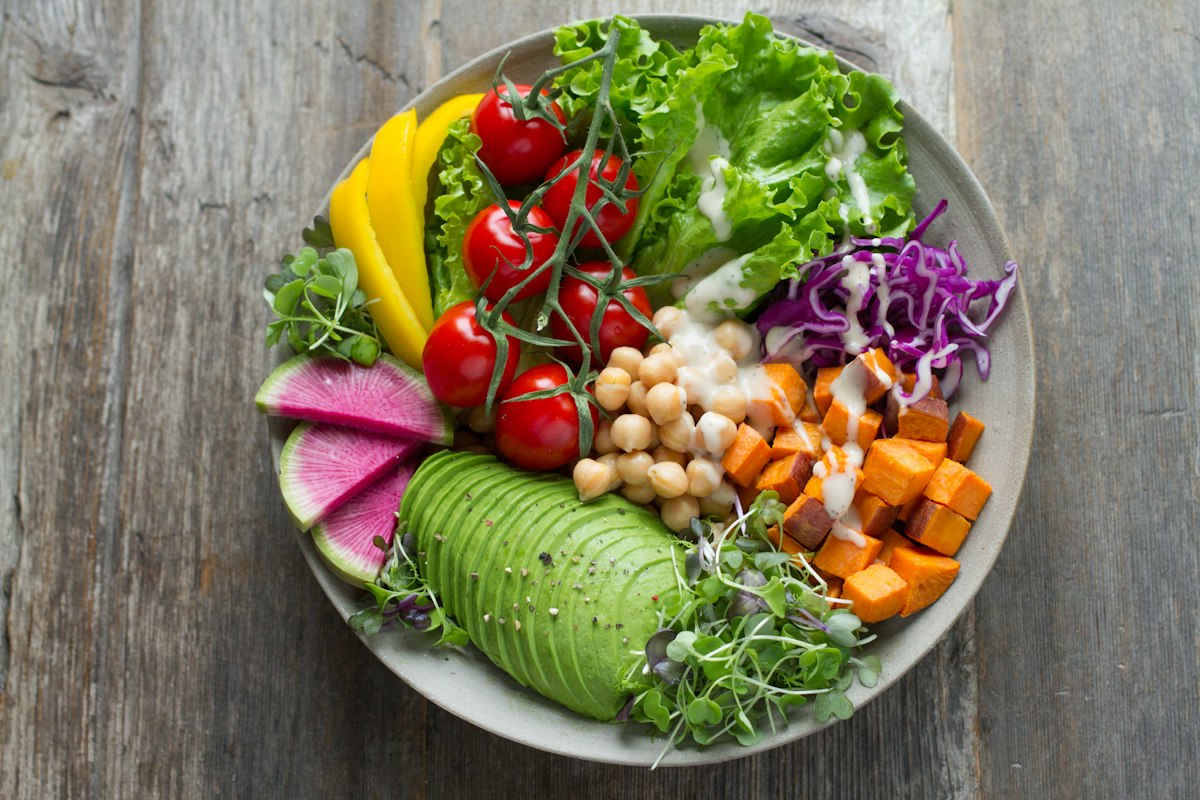
You used to clear your plate without thinking twice. These days, half a sandwich feels like plenty, and breakfast sometimes doesn't sound appealing at all. If this sounds familiar, you're not imagining it. Appetite changes as we age are genuinely common — and genuinely important to understand. This isn't about willpower or being a picky eater. It's biology, and knowing what's happening makes it a lot easier to work with your body instead of against it.
Morning: When Hunger Feels Different Than It Used To
Picture a Tuesday morning. You wake up at 7am, make coffee, and realize you're just not hungry. You tell yourself you'll eat something later. But "later" becomes noon, and by then you've already missed the fuel your body needed to start the day well.
This is one of the most common appetite changes aging brings with it. Older adults experience a slowdown in gastric emptying — meaning food literally moves through your stomach more slowly — which keeps you feeling full longer after your last meal. Hormones shift too. Ghrelin, the hunger hormone, tends to decline with age, while cholecystokinin, a satiety hormone, stays elevated longer. Your body is essentially sending fewer "time to eat" signals.
The practical fix here is simple: don't wait for hunger. Set a breakfast reminder for the same time each morning and treat it like any other appointment. Something small still counts — a scrambled egg, Greek yogurt with berries, or a slice of whole grain toast with peanut butter. You're not forcing a feast. You're just not skipping the start.
Mid-Morning: The Taste and Smell Factor
Around 10am, you might notice something else. Foods that used to smell amazing — coffee, toast, even bacon — don't quite hit the same way anymore. That's not in your head either. Taste and smell sensitivity genuinely decline with age, often starting in your 50s and becoming more noticeable in your 70s. When food doesn't smell or taste as appealing, you eat less of it. Simple as that.
Boosting flavor without reaching for the salt shaker is a real skill worth developing. Fresh herbs like basil, cilantro, and rosemary punch up flavor without adding sodium. A squeeze of lemon on almost anything — eggs, fish, roasted vegetables — brightens taste dramatically. Umami-rich foods like mushrooms, tomatoes, parmesan, and miso add depth that makes eating more satisfying. Experiment here. This is one of those areas where small changes to how you cook genuinely make eating more enjoyable again.
Lunchtime: Where Appetite Changes Aging Brings Can Quietly Add Up
Lunchtime is where many older adults start to feel the cumulative effects of eating too little. You had a light breakfast, you weren't particularly hungry mid-morning, and now a small salad feels like enough. The problem is that "enough" in the moment can quietly become "not enough" over weeks and months.
A 2023 systematic review published in Nutrients found that what's called "anorexia of aging" — the age-related decline in appetite — affects roughly 10–30% of older adults depending on their living situation, and that frail or pre-frail individuals have more than twice the prevalence of appetite loss compared to healthier older adults. That's a significant portion of people quietly eating too little and not flagging it as a concern.
The goal at lunch isn't a huge meal. It's a balanced one. Aim for protein, fiber, and healthy fat at every sitting. A cup of lentil soup with a small piece of crusty bread and some sliced avocado checks all three boxes and takes about ten minutes to put together. If cooking for one feels like too much effort for a full lunch, batch-cooking twice a week changes everything — make a big pot of soup or grain salad on Sunday and Wednesday and you're set.
Afternoon: Your Mouth Matters More Than You Think
Here's something that doesn't come up enough in conversations about eating well after 50: oral health. Sore gums, ill-fitting dentures, tooth sensitivity, or missing teeth make eating uncomfortable — and when eating is uncomfortable, you avoid it or choose softer, often less nutritious foods.
A 2025 longitudinal study published in BMJ Open, drawing on UK and US cohorts of adults aged 71 to 89, found that poor oral health is independently associated with worsening appetite over time. The researchers concluded that oral health care should be considered a key intervention target for preventing age-related appetite decline. That's a strong finding — and a practical one.
If chewing has become uncomfortable, bring it up with your dentist specifically. Ask about whether your dentures still fit properly (they often need adjustment every few years as jaw shape changes) or whether certain foods have become genuinely difficult. In the meantime, softer foods don't have to mean less nutritious — think salmon, soft-cooked eggs, hummus, cottage cheese, cooked beans, and ripe bananas.
Late Afternoon: Movement That Builds Appetite
One underrated appetite booster is physical activity. Not intense exercise necessarily — just regular movement. A 20–30 minute walk in the late afternoon does a few things at once: it helps regulate blood sugar, it supports digestion, and it genuinely stimulates hunger before dinner. Many people find that on days they move more, they're simply more interested in eating.
If you're using SteadiDay, the app connects with Apple Health for free, so your daily steps, activity, and even sleep patterns are tracked in one place. Seeing that connection — between how much you moved and how your appetite felt — can be surprisingly motivating. It also helps you notice patterns, like whether low-activity days consistently lead to skipped meals.
Strength training is worth mentioning here too. Muscle mass declines with age, and having more lean muscle actually supports a healthier metabolism and appetite regulation. Even two sessions a week of bodyweight exercises or light resistance work makes a difference over time.
Dinner and Beyond: Why This All Matters
By dinner, a day of undereating can leave you fatigued, foggy, or even lightheaded — though you might not immediately connect it to food. Chronic under-nutrition in older adults is genuinely serious. A 2023 PRISMA-guided systematic review found that appetite loss in adults aged 65 and older is consistently associated with increased risk of malnutrition and mortality across community, inpatient, and institutional settings — and that it's frequently underrecognized in clinical practice. Doctors often don't ask, and patients often don't mention it.
That's why it's worth bringing up with your doctor if your appetite has noticeably declined over weeks or months. It can sometimes signal an underlying issue — thyroid changes, medication side effects, depression, or other conditions that are very treatable once identified.
For dinner itself, the same principles apply as lunch: protein, fiber, healthy fat. But dinner is also a social meal for many people, and that matters. Eating with others — whether family, friends, or at a community table — consistently leads to higher food intake and more enjoyment. If you're eating alone most evenings, even a video call with a friend while you eat can shift the experience.
Keep dinner manageable to prepare. A piece of baked fish with roasted vegetables and some quinoa is genuinely easy and covers your nutritional bases. If cooking feels like too much some evenings, that's okay — a protein smoothie, a bowl of cottage cheese with fruit, or even a hearty bowl of soup is far better than skipping the meal entirely.
Common Questions About Appetite Loss After 50
Is reduced appetite in older adults considered a medical condition?
Yes — clinicians use the term "anorexia of aging" to describe the natural but meaningful decline in appetite that affects many older adults. It's not the same as anorexia nervosa, but it can lead to malnutrition and other health complications if not addressed. If your appetite has noticeably decreased, it's worth mentioning to your doctor to rule out underlying causes like medication side effects, thyroid issues, or depression.
What foods are best for older adults who don't feel very hungry?
When appetite is low, every bite counts more, so focus on nutrient-dense options: eggs, Greek yogurt, salmon, legumes, avocado, nuts, and fortified foods. Small, frequent meals or snacks are often more manageable than three large ones. Protein is especially important to prioritize, since muscle loss accelerates when protein intake drops.
Can medications affect appetite in people over 50?
Absolutely, and this is one of the most common and underrecognized causes. Many medications prescribed for blood pressure, diabetes, pain, depression, and other conditions list appetite changes as a side effect. Some cause nausea, dry mouth, or altered taste — all of which reduce interest in eating. Talk to your pharmacist or doctor if you suspect a medication is affecting your appetite; there are often alternatives worth exploring.
How much protein should adults over 50 aim for each day?
Most research supports a target of around 1.0 to 1.2 grams of protein per kilogram of body weight per day for adults over 50 — higher than the general adult recommendation. For a 150-pound (68 kg) person, that's roughly 68–82 grams daily. Spreading protein intake across meals — rather than loading it all at dinner — helps your body use it more effectively for maintaining muscle mass.
Ready to Take Control of Your Daily Wellness?
SteadiDay helps you manage medications, track your health, and stay connected with loved ones. Every feature is completely free.
Download Free on the App Store