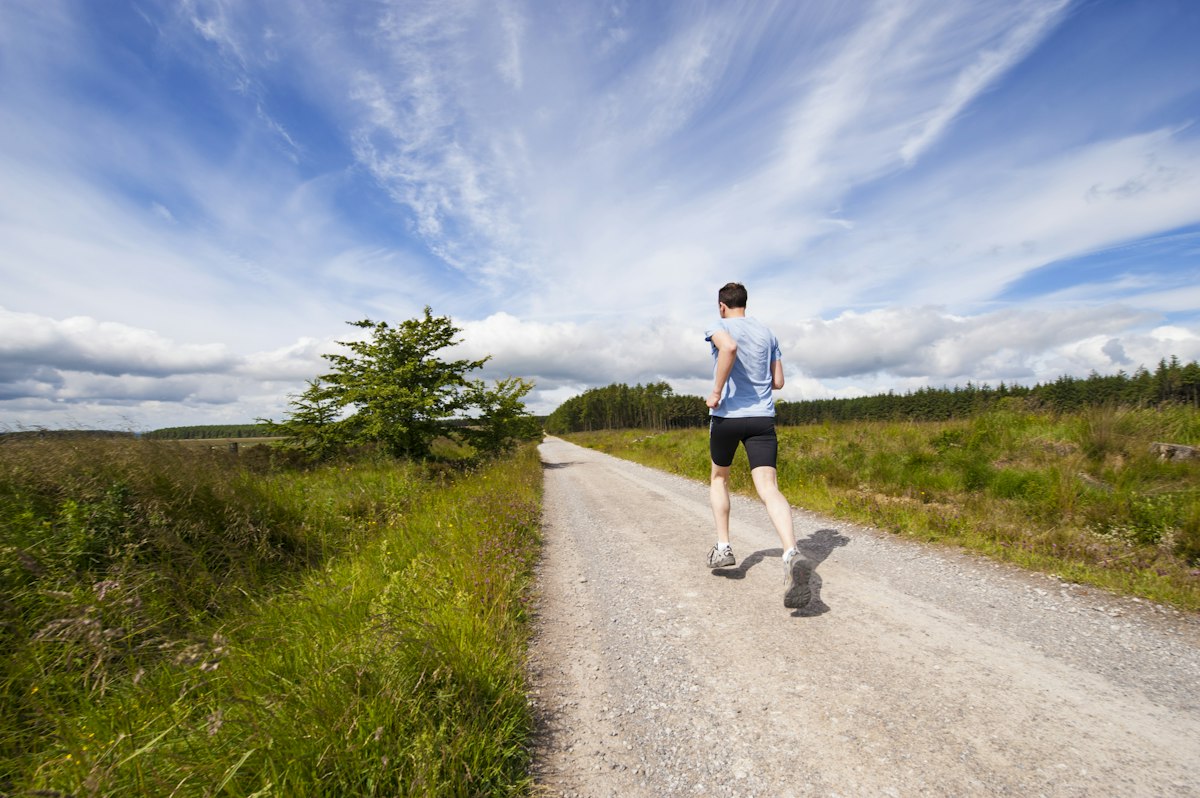
These are the questions we hear most often about walking for health. Not the theoretical ones — the real ones people ask their doctors before lacing up their shoes for the first time in years. Whether you're recovering from a health scare, dealing with creaky knees, or just unsure where to start, this guide is for you. Walking exercise for seniors is one of the most studied, most accessible, and most consistently recommended forms of movement there is. Let's get into the specifics.
Is walking actually enough exercise, or do I need to do more?
Yes — for most people over 50, walking is genuinely enough to make a meaningful difference. This isn't a consolation prize. A comprehensive 2023 review published in PubMed/NIH found that brisk walking for just 30 minutes a day, five days a week meets physical activity guidelines and significantly reduces the risk of cardiovascular disease, type 2 diabetes, cognitive impairment, and dementia in older adults. That's a remarkable return on a modest investment of time.
The key word there is "brisk." A gentle stroll has benefits too, but picking up the pace — enough to feel slightly warm and breathe a little harder — is where the real health gains kick in. Think of it as your benchmark, not your ceiling. Over time, you can add distance, hills, or variety. But brisk and consistent beats fast and sporadic every single time.
How many minutes per week should I actually be walking?
The target is 150 minutes per week of moderate-intensity activity — which brisk walking counts as. The CDC's updated 2024 guidelines for adults 65 and older recommend exactly that, combined with some muscle-strengthening and balance work a couple of days a week. Split across five days, that's just 30 minutes a day. Three 10-minute walks count too, which makes it far more achievable than it sounds on paper.
If you're starting from scratch, don't try to hit 150 minutes in week one. Start with 10-15 minutes and add 5 minutes each week. Your joints, your cardiovascular system, and honestly your motivation will all thank you for a gradual ramp-up. The goal is building a habit that lasts months and years, not exhausting yourself in the first week.
Do I need to warm up, or can I just head out the door?
You do need a warm-up — but it's simpler than most people think. Harvard Health recommends a five-minute slow walk before picking up your pace, and the same at the end to cool down. That's it. No elaborate stretching routine required before you go. Save the stretching for when your muscles are warm — after the walk, not before.
Cold muscles are stiffer and more prone to strain. Starting slowly lets your heart rate rise gradually, your circulation adjust, and your joints start moving through their range of motion. Think of it as giving your body a heads-up rather than a surprise. Five minutes each end adds just 10 minutes to your outing. It's genuinely worth it.
What's the right pace — am I walking too slow or too fast?
Here's a simple rule that works well: you should be able to hold a conversation but not belt out a song. That's the "talk test," and it's a reliable guide to moderate intensity. If you can chat comfortably, you're in the right zone. If you're gasping, slow down. If you could sing the entire national anthem without missing a beat, speed up a little.
Don't obsess over step counts early on. Pace and duration matter more than hitting an arbitrary number. That said, research consistently associates around 7,000-8,000 steps per day with meaningful health benefits in older adults — a useful benchmark once you're comfortable tracking your movement. Most smartphones and basic fitness trackers can count steps automatically, so you don't need any special equipment to get that data.
Video: Mayo Clinic Minute: Walking is a step towards heart health -- Mayo Clinic
Is it safe to walk if I have bad knees or a heart condition?
For the vast majority of people, yes — but check with your doctor first if you have an existing heart condition, recent surgery, or significant joint pain. That's not a throwaway disclaimer. It's genuinely useful information for your doctor to have, and they can give you specific parameters like a target heart rate range or distances to avoid initially.
For knee pain specifically, flat, even surfaces are your friend at the start. Grass and dirt trails are gentler on joints than concrete. Supportive footwear matters enormously here — worn-out sneakers with no cushioning can make knee discomfort worse. Replace walking shoes every 300-500 miles, or roughly every six to twelve months if you're walking regularly. Your feet hit the ground thousands of times per walk, and the right shoes absorb a lot of that impact for you.
What are the best times and routes for walking exercise as a senior?
Morning walks have a slight edge for most people — temperatures are cooler, traffic is lighter, and getting movement done early removes the "I'll do it later" trap. That said, the best time to walk is the time you'll actually do it consistently. If evenings work better for your schedule and energy levels, then evenings are your answer.
Route safety deserves more thought than people usually give it. Stick to well-lit paths with even surfaces. Avoid roads with no sidewalks during peak traffic hours. If you walk at dawn or dusk, visibility is a real concern — for you and for drivers. SteadiDay's free Flashlight feature is worth knowing about here: it lets you activate your phone's light instantly without unlocking your screen, which is genuinely handy on dim morning routes or when you need to light an uneven path in a hurry. Small thing. Meaningful in practice.
How do I stay motivated when the novelty wears off?
Make it social, make it purposeful, or make it scheduled — ideally all three. Walking with a friend or neighbor doubles as social connection and mutual accountability. Walking to a destination (a coffee shop, a park, a library) gives the outing a point beyond the exercise itself. And blocking it in your calendar like an appointment — rather than leaving it as a vague intention — dramatically increases follow-through.
Variety helps too. Rotating your routes keeps things from going stale. Listening to a podcast or an audiobook you only play while walking creates something to look forward to. Some people find a simple paper log satisfying — writing down the date, time, and distance gives you a visible record of progress over weeks and months. Whatever keeps you lacing up is the right strategy for you. There's no single system that works for everyone.
Common Questions
How long does it take to see health benefits from walking regularly?
Many people notice improvements in energy, sleep, and mood within two to four weeks of consistent walking. Measurable changes in cardiovascular fitness and blood pressure can appear within six to eight weeks. The key is consistency — three to five days per week at a brisk pace — rather than any single long walk.
Is walking exercise safe for seniors with high blood pressure?
Regular moderate-intensity walking is widely recommended for people with high blood pressure and can help lower systolic blood pressure over time. Start at a comfortable pace and avoid holding your breath or pushing to exhaustion. Your doctor can advise whether any specific precautions apply to your situation, especially if you're on blood pressure medication.
What shoes are best for walking exercise for seniors?
Look for shoes with good arch support, a cushioned sole, and a wide enough toe box that your toes aren't squeezed. Running shoes often work well for walking, even if you're not running. Get fitted in the afternoon when your feet are slightly swollen to their largest size, and replace shoes every 300-500 miles or when the cushioning feels flat.
Can I break my daily walk into smaller chunks and still get the benefits?
Yes. Research supports breaking your daily activity into multiple shorter sessions — three 10-minute walks produce similar cardiovascular and metabolic benefits to one 30-minute walk. This is especially useful on busy days or if joint discomfort makes longer continuous walking difficult. The total minutes per week is what matters most.
Ready to Take Control of Your Daily Wellness?
SteadiDay helps you manage medications, track your health, and stay connected with loved ones. Every feature is completely free.
Download Free on the App Store